
In observance of Juneteenth, our office will be closed on Friday June 19, 2026. We will reopen on Saturday June 20, 2026, with normal business hours.
To avoid any treatment disruptions, please schedule all appointments accordingly.

Anxiety can affect anyone — often silently, but with overwhelming intensity. At C-Line Community Outreach Services, we help clients understand and manage anxiety so they can regain balance, focus, and peace of mind.
Since 1998, individuals across Jersey City and Paterson have trusted C-Line for compassionate, evidence-based treatment that targets both the emotional and physical symptoms of anxiety. Our clinicians provide personalized strategies that build long-term resilience and empower clients to live freely, without fear or limitation.
Anxiety is a natural response to stress, but when it becomes chronic or disproportionate, it can interfere with work, relationships, and daily life. Our therapists help clients identify the underlying causes — whether biological, environmental, or trauma-related — and develop effective techniques to regain control.
Common anxiety-related conditions we treat include:
Anxiety does not define who you are. With the right care, you can learn to manage symptoms and move forward with clarity and strength.
Every person experiences anxiety differently, but common signs may include:
C-Line’s clinicians help clients understand how anxiety manifests and teach them how to interrupt the cycle before it intensifies.
Trauma can leave deep emotional and physical imprints. Whether caused by abuse, loss, violence, or life-changing events, our trauma therapy helps clients process painful experiences safely and regain control of their lives.
Therapeutic methods include:
Each session focuses on practical tools clients can use immediately in daily life.
Anxiety often appears alongside other challenges such as depression, trauma, or substance use. C-Line provides integrated care to treat the whole person — addressing all related conditions simultaneously for complete healing.
We coordinate across programs like Individual Counseling, Family Therapy, and Substance Abuse Counseling to ensure a seamless, supportive recovery experience.
Through treatment, clients gain both immediate relief and long-term confidence. Benefits include:
Clients learn to move from fear-driven reactions to thoughtful, grounded responses in all aspects of life.
Anxiety among adolescents and young adults has risen sharply in recent years. C-Line’s Adolescent Counseling and Young Adult Programs offer specialized support for younger clients experiencing school pressure, social anxiety, and performance stress.
Therapists use age-appropriate interventions and family collaboration to create stability and resilience early on.
C-Line offers multiple care formats so anxiety treatment is always within reach:
Our flexible options ensure therapy works for your life — not against it.
C-Line provides more than therapy. Clients have access to peer groups, workshops, and community events focused on managing stress and building wellness. These connections help reduce isolation and reinforce long-term success.
You’ll always have someone in your corner, ready to help you navigate every stage of recovery.
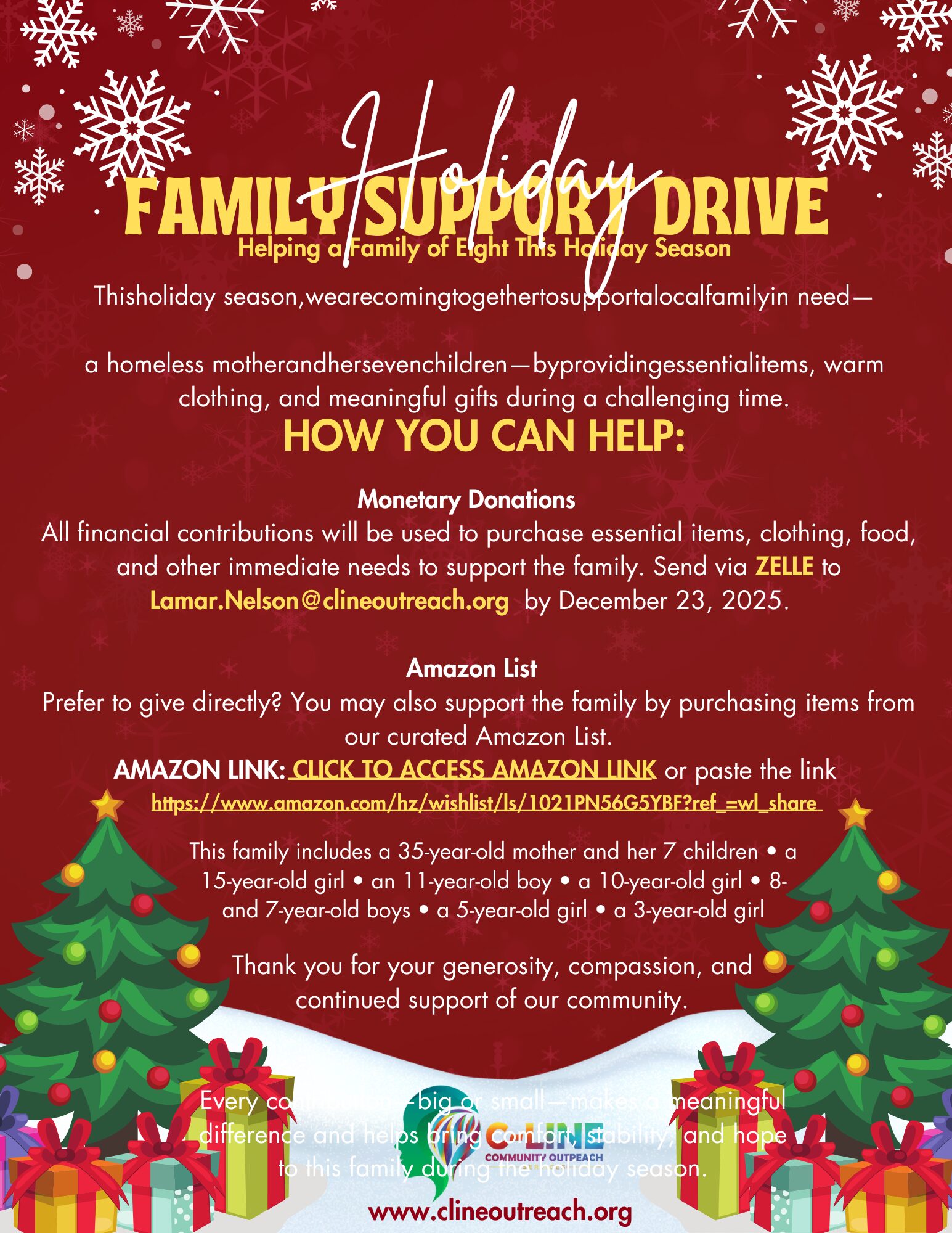
Join Our Christmas Holiday Drive
Supporting families, spreading joy, and strengthening our community.
This holiday season, C-Line is gathering food, clothing, and toys to share with individuals and families in need. Your generosity helps create warmth, connection, and hope during a meaningful time of year. All ages and community members are welcome to participate.
C-Line Community Outreach Services
Date: Saturday, Dec 20, 2025
Time: 12pm to 3pm
Location: 78 Martin Luther King Drive, Jersey City, NJ 07305
C-Line Counseling Center
Date: Saturday, Dec 20, 2025
Time: 12pm to 3pm
Location: 111 Washington St
Paterson, NJ 07505
We Are Still Accepting Donations
We welcome donations of non perishable foods, toys for children, new and gently used clothing, and in-kind items. Every gift directly supports individuals and families in our community, helping them experience a brighter and more meaningful Christmas.
Join Us for a Free Thanksgiving Feast
A warm meal, shared together. Open to all community members.
C-Line invites you to our annual Thanksgiving Feast! Enjoy a free holiday meal surrounded by support, connection, and community. All ages welcome.
C-Line Community Outreach Services
Date: Thursday, Nov 27, 2025
Time: 11am to 2pm
Location: 78 Martin Luther King Jr Drive Jersey City, NJ 07305
C-Line Counseling Center
Date: Wednesday, Nov 26, 2025
Time: 1pm to 4pm
Location: Paterson Library, 250 Broadway Paterson NJ 07501
We Are Still Accepting Donations
We are also accepting donations to help local families enjoy a meaningful holiday. Monetary gifts, non perishable foods, in-kind items, and new or gently used clothing are appreciated.