The Powerful Role of Medication Support Addiction Therapy

medication support addiction therapy

Table of Contents

You might be exploring medication support addiction therapy to manage substance use disorder and reclaim control over your life. This approach, also known as medication-assisted treatment or pharmacotherapy, combines FDA-approved medications with counseling and behavioral therapies to address both the physical and psychological aspects of addiction. By relieving withdrawal symptoms, reducing cravings, and stabilizing brain chemistry, medication support helps you engage more fully in therapy, improving your chances of sustained recovery [1].

In this article, you’ll learn how medication support addiction therapy works, which medications are available, and how they integrate with counseling and peer support. We’ll explore outpatient treatment options, weigh the benefits and address common concerns, and guide you through the steps to start a medication-assisted program that aligns with your personal needs.

Understanding medication support

What is medication support addiction therapy?

Medication support addiction therapy, often called medication-assisted treatment (MAT), uses medications approved by the U.S. Food and Drug Administration to treat substance use disorders (SUDs). Unlike detoxification alone, which only addresses the physical dependence, MAT combines pharmacotherapy with counseling to create a whole-patient approach. You receive medication to manage withdrawal and cravings while working with therapists to modify behaviors, develop coping skills, and repair relationships.

How medication-assisted treatment works

Each medication targets specific neurochemical pathways. For opioids, medications like methadone and buprenorphine bind to opioid receptors to prevent withdrawal and block the euphoric effects of illicit use. Naltrexone blocks opioid and alcohol receptors to reduce cravings and risk of relapse. In tobacco cessation, nicotine replacement therapies and varenicline target nicotine receptors to ease withdrawal. You take these medications under medical supervision, often starting with a closely monitored induction phase, then transitioning to maintenance therapy as you stabilize.

A whole-patient approach

Medication alone is not a standalone solution. Behavioral therapies, peer support groups, case management, and social services form the backbone of MAT programs. This integrated framework ensures you address mental health conditions, social determinants of health, and co-occurring disorders. By treating the underlying drivers of addiction alongside physical dependence, you’re more likely to stay engaged in recovery and achieve long-term well-being.

Exploring medication options

Opioid use disorder medications

There are three FDA-approved medications for opioid use disorder (OUD) that you may encounter in a MAT program [2]:

MedicationFormulationBenefits
MethadoneOral solution/tabletsPrevents withdrawal, reduces cravings
BuprenorphineSublingual, injectablePartial agonist, lowers overdose risk
NaltrexoneOral, injectable depotBlocks euphoric effects, aids relapse prevention

Methadone maintenance has decades of evidence showing reduced illicit opioid use and improved social functioning. Buprenorphine can be prescribed in office-based settings, increasing access to treatment. Naltrexone requires a detox period before initiation to avoid precipitated withdrawal but offers an opioid antagonist option without reinforcing addiction.

Medications for alcohol use disorder

If you’re addressing alcohol dependence, several medications can support your recovery [2]:

  • Acamprosate relieves protracted withdrawal cravings by modulating glutamate neurotransmission.
  • Disulfiram produces adverse reactions if alcohol is consumed, deterring use.
  • Naltrexone reduces the rewarding effects of alcohol and decreases heavy drinking days.

These medications work best when combined with counseling and mutual-help groups, enhancing adherence and outcomes.

Tobacco cessation pharmacotherapies

Quitting tobacco often requires pharmacotherapy plus behavioral support. First-line options include:

  • Nicotine replacement therapy (patch, gum, lozenge) to ease withdrawal
  • Varenicline, a partial nicotinic receptor agonist that reduces craving
  • Bupropion SR, an antidepressant that also helps with nicotine withdrawal

When paired with counseling, these therapies can achieve up to 40% abstinence rates at one year [3].

Integrating behavioral therapies

Role of counseling and therapy

Behavioral interventions complement pharmacotherapy by helping you identify triggers, develop coping strategies, and change thought patterns that fuel substance use. Therapists create a supportive environment where you can explore emotions, rehearse new skills, and build resilience.

Cognitive behavioral therapy

Cognitive behavioral therapy (CBT) is a common evidence-based approach in MAT programs. CBT helps you recognize negative thought cycles—such as “I can’t cope without using”—and replace them with healthier alternatives. By practicing coping skills in real-life scenarios, you strengthen your ability to resist cravings and prevent relapse.

Motivational interviewing and contingency management

Motivational interviewing is a collaborative, person-centered form of guiding that enhances your motivation to change. Contingency management provides tangible rewards for meeting treatment goals, such as clean drug screens or attending therapy sessions. Both approaches increase engagement and have been shown to improve retention in medication support addiction therapy [1].

Accessing outpatient services

Benefits of outpatient MAT

Choosing outpatient medication support addiction therapy allows you to maintain daily responsibilities—work, family, school—while receiving care. You visit a clinic for medication dosing, counseling, and group sessions, then return home. This flexibility fosters community reintegration and peer support in your own environment.

Low barrier models of care

Low barrier programs reduce restrictions and requirements that can delay treatment initiation. They may offer same-day induction, telemedicine visits, walk-in hours, and culturally sensitive services tailored to your needs [2].

Finding the right program

If you’re in New Jersey, you can explore options such as medication support addiction nj, outpatient mat integrated services, buprenorphine outpatient nj, and naltrexone support outpatient. For city-specific care, consider mat outpatient jersey city or oud outpatient treatment nj. Each program varies in structure, eligibility, and ancillary services, so assess factors like clinic hours, counseling formats, and insurance coverage.

Weighing therapy benefits

Relief from withdrawal and cravings

Medications mitigate the intense physical symptoms of withdrawal—nausea, muscle aches, insomnia—making early recovery more tolerable. By stabilizing brain chemistry, you can focus on therapy rather than discomfort [4].

Improved treatment retention

Research shows that combining medication with counseling increases treatment engagement and completion rates. You’re more likely to attend sessions and follow through with recovery goals when physical cravings are under control [1].

Reduced risk of relapse and overdose

By blocking euphoric effects or satisfying cravings, MAT reduces the likelihood of relapse. Opioid medications like buprenorphine and methadone cut opioid-related mortality by up to 50% compared with no treatment. Naloxone distribution further prevents fatal overdoses by reversing toxic effects during emergencies.

Enhanced social and occupational outcomes

Evidence from health systems like Arizona AHCCCS shows that patients receiving MAT maintain employment, reduce criminal behavior, and decrease high-risk injection practices, contributing to overall wellness and community stability [5].

Addressing common concerns

Medication stigma and dependency myths

You may worry that taking medication is simply replacing one addiction with another. In reality, FDA-approved MAT medications, when used as prescribed, do not produce euphoria or reinforce compulsive drug use. They stabilize your brain chemistry without the highs and lows of illicit substances.

Side effect management

Like any medication, MAT drugs have potential side effects—constipation with methadone, headaches with varenicline, or injection site reactions with depot naltrexone. Your prescriber monitors you closely, adjusts dosages, and manages any adverse effects to ensure safety and comfort.

Long-term use considerations

Some individuals remain on medication support for months or even years. Long-term treatment may be necessary to sustain recovery, especially if you have a history of severe addiction or co-occurring mental health conditions. Tapering or discontinuation should occur under professional supervision to avoid withdrawal complications.

Starting medication therapy

Consulting a qualified provider

Your first step is to talk with a healthcare professional experienced in addiction medicine. This could be an addiction specialist, primary care physician, or a clinic offering opioid medication therapy nj. They will assess your medical history, substance use pattern, and support network to develop an individualized plan.

Insurance and cost considerations

Most insurance plans—including Medicaid and Medicare—cover medication support addiction therapy. Out-of-pocket costs vary by medication and counseling services. Clinics may offer sliding-scale fees or grants. Confirm coverage details before starting treatment to avoid unexpected bills.

Building a support network

Recovery thrives on connection. In addition to individual counseling, consider group therapy, peer support groups like Narcotics Anonymous or SMART Recovery, and family education programs. You can access peer mentors and community resources through programs certified by medication assisted therapy jersey city.

Utilizing national resources

The Substance Abuse and Mental Health Services Administration provides free, confidential 24/7 support through the National Helpline and online FindTreatment.gov. You can locate local MAT providers, support groups, and crisis lines at no cost [6].

By understanding the powerful role of medication support addiction therapy, you can make informed decisions about your recovery journey. Combining FDA-approved medications with counseling and peer support offers a comprehensive path to lasting change. If you’re ready to explore options, reach out to a qualified provider today and take the next step toward a healthier, substance-free life.

References

  1. (NIDA)
  2. (SAMHSA)
  3. (NCBI)
  4. (Mayo Clinic)
  5. (AZ AHCCCS)
  6. (SAMHSA)

Contact Us

Table of Contents

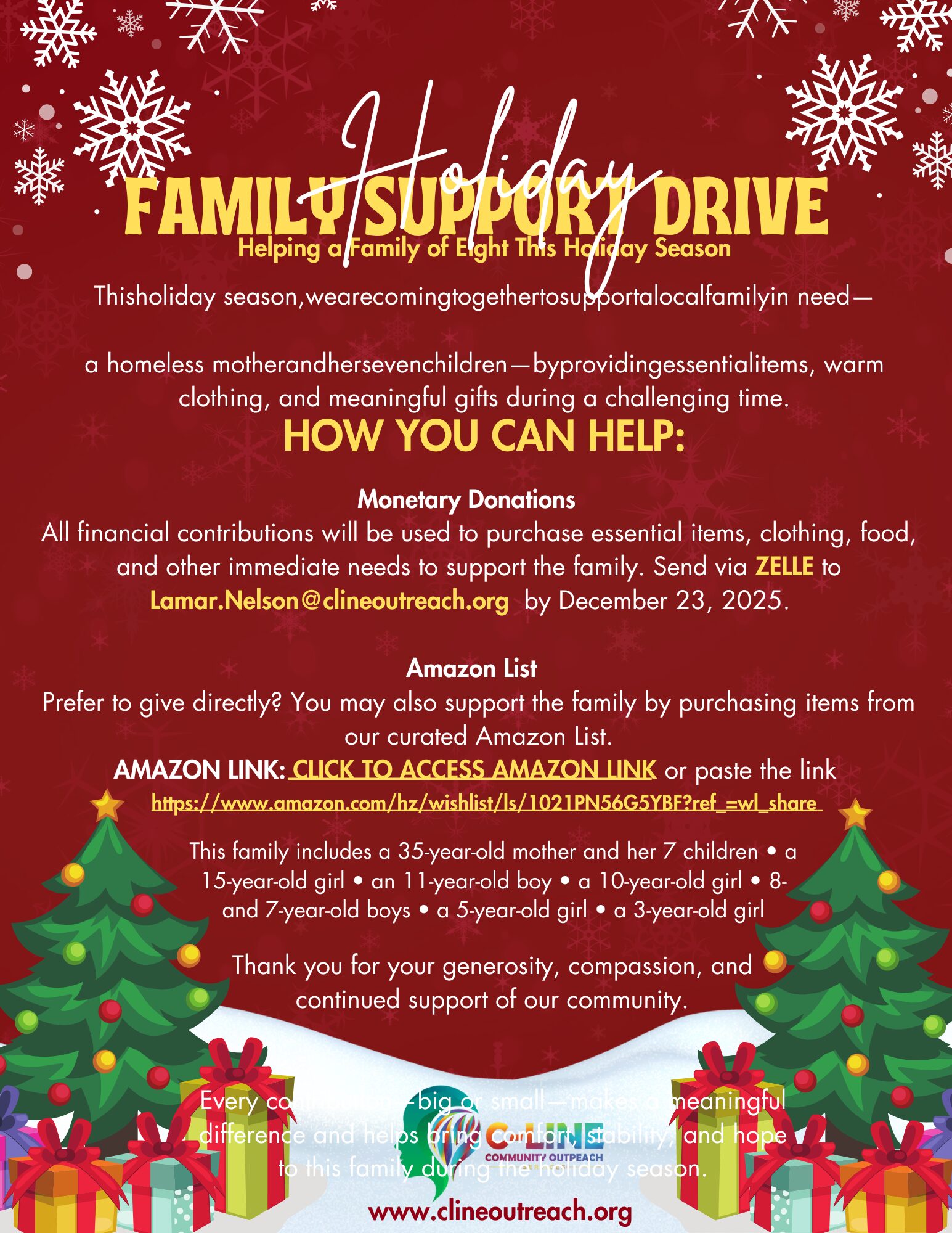
Join Our Christmas Holiday Drive

Supporting families, spreading joy, and strengthening our community.

This holiday season, C-Line is gathering food, clothing, and toys to share with individuals and families in need. Your generosity helps create warmth, connection, and hope during a meaningful time of year. All ages and community members are welcome to participate.

C-Line Community Outreach Services

Date: Saturday, Dec 20, 2025
Time: 12pm to 3pm
Location: 78 Martin Luther King Drive, Jersey City, NJ 07305

C-Line Counseling Center

Date: Saturday, Dec 20, 2025
Time: 12pm to 3pm
Location: 111 Washington St
Paterson, NJ 07505

We Are Still Accepting Donations

We welcome donations of non perishable foods, toys for children, new and gently used clothing, and in-kind items. Every gift directly supports individuals and families in our community, helping them experience a brighter and more meaningful Christmas.

Join Us for a Free Thanksgiving Feast

A warm meal, shared together. Open to all community members.

C-Line invites you to our annual Thanksgiving Feast! Enjoy a free holiday meal surrounded by support, connection, and community. All ages welcome.

C-Line Community Outreach Services

Date: Thursday, Nov 27, 2025
Time: 11am to 2pm
Location: 78 Martin Luther King Jr Drive Jersey City, NJ 07305

C-Line Counseling Center

Date: Wednesday, Nov 26, 2025
Time: 1pm to 4pm
Location: Paterson Library, 250 Broadway Paterson NJ 07501

We Are Still Accepting Donations

We are also accepting donations to help local families enjoy a meaningful holiday. Monetary gifts, non perishable foods, in-kind items, and new or gently used clothing are appreciated.