How Social Support Recovery Programs Can Transform Your Life

social support recovery programs

Table of Contents

Understanding social support recovery

When you’re navigating addiction recovery, social support recovery programs become a cornerstone of lasting change. These programs offer more than just clinical treatment—they weave together emotional encouragement, practical resources, and community connections so you don’t have to face challenges alone. By engaging in a recovery network tailored to your needs, you gain accountability and resilience, making each milestone a step toward a more stable future.

Social support recovery programs draw on evidence from leading institutions. The National Institute on Drug Abuse (NIDA) and Substance Abuse and Mental Health Services Administration (SAMHSA) confirm that effective social support increases treatment retention, improves recovery outcomes, and reduces relapse rates by offering emotional balance, practical tools, and accountability through peer and family connections [1]. Understanding how these programs work empowers you to choose the right combination of services for your journey.

Benefits of social support

Feeling connected to others in recovery does more than lift your mood. It creates a safety net of encouragement and shared experience that can carry you through setbacks and plateaus. Social support recovery programs deliver:

  • Emotional strength to face triggers and cravings
  • Accountability that keeps you committed to goals
  • Access to essential resources, from housing to legal advice
  • Opportunities for skill building and personal growth

These benefits compound over time. When you see peers overcome similar obstacles, your confidence grows. Regular check-ins with a mentor or support group sharpen your coping strategies, and practical assistance—like transportation to appointments—removes barriers that might otherwise derail your progress.

Components of supportive care

Social support recovery programs rely on four core components. Each one fills a gap in your recovery plan, creating a comprehensive system that addresses both emotional and practical needs:

Support typeDescriptionExample activity
Emotional supportPersonal interactions and groups that provide empathy, caring, and encouragement to bolster self-esteemOne-on-one peer mentoring
Informational supportClasses, trainings, and seminars that share knowledge or life and vocational skillsJob readiness workshop
Instrumental supportTangible assistance such as transportation, housing, and food provided through referral or service coordinationShuttle rides to therapy sessions
Affiliational supportGroup activities and community gatherings that foster belonging and social learningWeekly recovery-focused recreational outings

(Source: NCBI Bookshelf)

By combining these elements, you build both inner resilience and a reliable network of resources—ensuring that you’re prepared for emotional lows and logistical hurdles alike.

Wraparound support services

Beyond therapy sessions and peer groups, wraparound support services tackle real-life challenges that can interrupt your recovery if left unaddressed. Coordinated case management ties together services you need:

These services work in harmony. Imagine a case manager who coordinates your court dates, lines up a sober living space, and arranges rides to group therapy. That holistic approach removes the friction points that often lead to gaps in attendance or missed appointments.

Building a supportive community

Recovery thrives on connection. When you link up with community counseling center services or nonprofit outreach counseling nj programs, you tap into group activities that strengthen social ties. Shared meals, skill-building workshops, and volunteer projects give you a purpose beyond personal healing.

“When clients engage in group therapy, family therapy, yoga, art therapy, and peer support, they follow a structured path to long-term sobriety that combines professional care with community connections.”
(Ikon Recovery Centers)

Peer-led alumni programs, like the one at Canyon Vista Recovery Center in Mesa, Arizona, ensure that you have every opportunity to remain clean and sober after formal treatment ends. Alumni mentors share insights on avoiding relapse triggers, navigating family stress, and finding new social outlets. This ongoing affiliation reinforces healthy habits and makes recovery a shared journey instead of a solo battle [2].

Choosing your recovery resources

With so many options, you might wonder how to pick the right combination of services. Start by mapping out your most critical needs—be it stable housing, legal guidance, or consistent transportation—and then layer in emotional and informational supports. Ask yourself:

  1. Which logistical barriers have tripped me up before?
  2. Where do I need professional expertise versus peer encouragement?
  3. What skills will help me reintegrate into work or school?

Link up with wraparound support services to fill gaps in your plan wraparound support services. If you’re in New Jersey, explore specialized offerings like support services for recovery nj or nonprofit outreach counseling nj. For broader mental health outreach, community outreach mental health nj can connect you to neighborhood programs and drop-in centers.

Transforming your life through support

By integrating social support recovery programs into your plan, you’re investing in a network that sustains you emotionally, socially, and practically. You won’t just complete treatment—you’ll develop the confidence, skills, and connections to thrive long after formal programs end.

Remember, recovery is not a linear path. You’ll encounter ups and downs, but with a strong support system—anchored by emotional, informational, instrumental, and affiliational elements—you’ll have the tools to navigate each turn. Call SAMHSA’s National Helpline anytime for immediate referrals to local support groups, treatment facilities, and community resources [3].

Embrace the full spectrum of services available to you. With compassionate peers, dedicated professionals, and a robust network of wraparound supports, you’ll transform challenges into opportunities and build a life defined by resilience and purpose.

References

  1. (Ikon Recovery Centers)
  2. (Canyon Vista Recovery Center)
  3. (SAMHSA)

Contact Us

Table of Contents

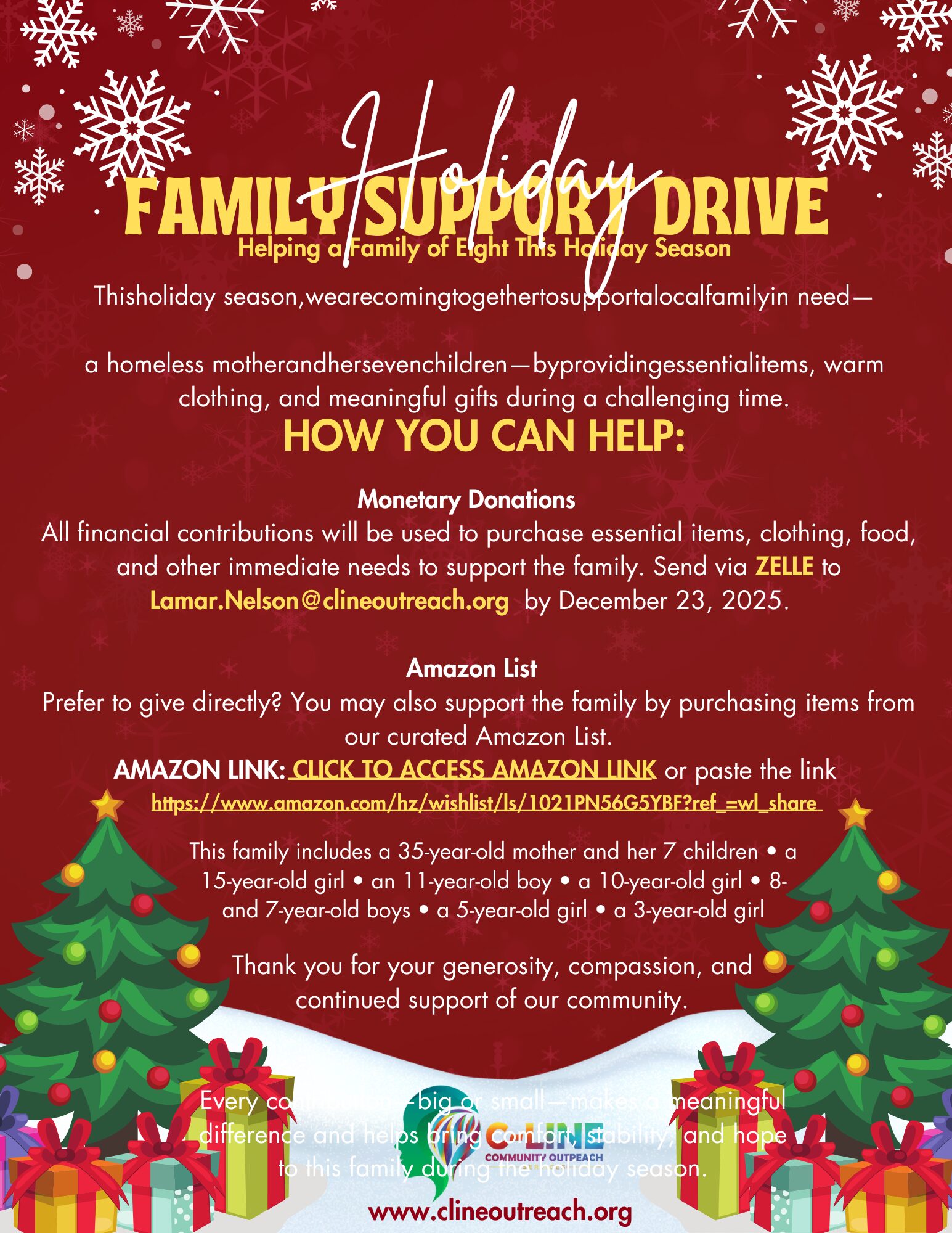
Join Our Christmas Holiday Drive

Supporting families, spreading joy, and strengthening our community.

This holiday season, C-Line is gathering food, clothing, and toys to share with individuals and families in need. Your generosity helps create warmth, connection, and hope during a meaningful time of year. All ages and community members are welcome to participate.

C-Line Community Outreach Services

Date: Saturday, Dec 20, 2025
Time: 12pm to 3pm
Location: 78 Martin Luther King Drive, Jersey City, NJ 07305

C-Line Counseling Center

Date: Saturday, Dec 20, 2025
Time: 12pm to 3pm
Location: 111 Washington St
Paterson, NJ 07505

We Are Still Accepting Donations

We welcome donations of non perishable foods, toys for children, new and gently used clothing, and in-kind items. Every gift directly supports individuals and families in our community, helping them experience a brighter and more meaningful Christmas.

Join Us for a Free Thanksgiving Feast

A warm meal, shared together. Open to all community members.

C-Line invites you to our annual Thanksgiving Feast! Enjoy a free holiday meal surrounded by support, connection, and community. All ages welcome.

C-Line Community Outreach Services

Date: Thursday, Nov 27, 2025
Time: 11am to 2pm
Location: 78 Martin Luther King Jr Drive Jersey City, NJ 07305

C-Line Counseling Center

Date: Wednesday, Nov 26, 2025
Time: 1pm to 4pm
Location: Paterson Library, 250 Broadway Paterson NJ 07501

We Are Still Accepting Donations

We are also accepting donations to help local families enjoy a meaningful holiday. Monetary gifts, non perishable foods, in-kind items, and new or gently used clothing are appreciated.