You don’t have to face recovery challenges alone. In New Jersey, a growing network of support services—from case management to housing assistance, legal referrals, transportation aid and community outreach—exists to help you navigate every step. By understanding how these services work together, you can focus on healing instead of logistics.
Recovery isn’t just about treatment, it’s about finding the right support system that meets all your needs
Understanding recovery support
Recovery succeeds when you address more than cravings or withdrawal. Wraparound support looks at your whole life—where you live, how you get to appointments, and what legal or financial barriers you face. It ensures you have stable housing, safe transportation, legal guidance and community connections so you can focus on building lasting wellness.
These coordinated services reduce stress and improve outcomes. When you know who to call for a ride to therapy or where to turn if you need emergency shelter, you’re less likely to miss appointments or relapse. Support services for recovery nj integrate resources across state and county agencies, nonprofits and peer networks to give you a foundation for success.
Exploring case management
A case manager becomes your primary point of contact. They learn your unique story, coordinate resources and follow up to make sure you’re on track. With expertise in mental health, substance use treatment and social services, they advocate on your behalf and link you to specialized programs.
Personalized care coordination
When you meet a case manager, expect a thorough assessment of your needs. They’ll discuss your treatment goals, family situation, housing status and financial constraints. Based on that intake, they create a care plan outlining:
- Treatment referrals and appointment schedules
- Housing applications or shelter placements
- Legal and financial advocacy steps
- Transportation arrangements
Advocacy and resource navigation
You might feel overwhelmed by forms, phone trees and eligibility rules. Your case manager simplifies the process. They make calls, fill out paperwork and follow up with agencies so you don’t have to. If you hit a roadblock—like missing documentation or a denied application—they work to resolve it, keeping your recovery on track. Learn more about case management outreach nj.
Leveraging legal referrals
Legal issues—outstanding warrants, custody disputes or eviction notices—can derail recovery if left unaddressed. Legal referral services connect you with attorneys and clinics that specialize in addiction, family law and housing cases.
Referral process
First, your case manager or outreach worker assesses your legal needs. They refer you to a partner organization or pro bono clinic that understands substance use dynamics. You receive an intake appointment where a legal advocate reviews your situation and devises a strategy.
Legal aid networks
New Jersey hosts programs like Legal Services of New Jersey and county-based clinics offering free or low-cost counsel. These networks handle matters such as expungements, landlord-tenant disputes and guardianship issues. By resolving legal stressors, you free up mental bandwidth to concentrate on recovery rather than court dates. Explore legal referral addiction services for details.
Securing housing assistance
Stable housing is a cornerstone of recovery. Without a safe place to stay, you risk exposure to triggers or chaotic environments that encourage substance use. New Jersey offers both emergency shelters and longer-term housing options tailored to recovery needs.
Emergency shelter options
If you face imminent homelessness, crisis shelters can provide a safe bed for the night and connect you with rapid rehousing specialists. Many shelters partner with recovery programs so you can attend meetings or counseling on site. In Middlesex County, the Division of Behavioral Health Planning administers prevention and shelter funds you can access through local hotlines [1].
Transitional and permanent housing
Once you’re stabilized, transitional housing programs offer structured living with on-site support staff. These residences often require you to attend groups, work on life skills or participate in volunteer activities. After a set period—typically six to twelve months—you may transition into permanent supported housing, where rent is subsidized and case management continues. For more options, see our guide to housing assistance recovery.
Arranging transportation support
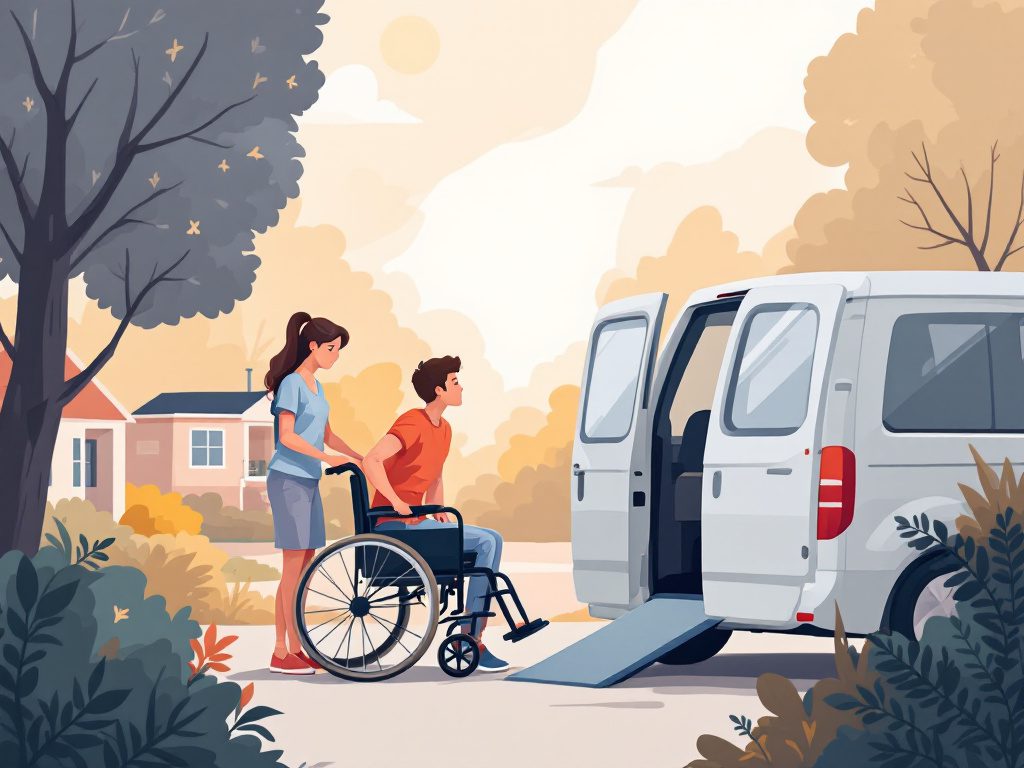
Getting to counseling, medical appointments or support meetings can be a hurdle if you lack reliable transportation. New Jersey’s recovery network includes public and specialized ride services that keep you moving.
Public transit passes
Many county boards of social services issue discounted or free bus and train passes for individuals in recovery. You or your case manager can apply by submitting proof of enrollment in treatment or support programs. These passes cover local transit and sometimes regional rail.
Specialized ride services
For appointments outside regular transit routes, agencies offer vouchers or contracted rides. You call a hotline, request a pick-up time and present your voucher to the driver. This service works well for early-morning medical visits or evening group sessions.
When arranging transportation, remember to:
- Confirm pick-up and drop-off times with the provider
- Keep contact info for driver or dispatch on hand
- Allow extra time for delays
- Report any service issues to your case manager
Discover more about transportation assistance for therapy.
Connecting community outreach
Community outreach programs bring recovery resources into neighborhoods, lowering barriers for those who might not seek help on their own. These initiatives include peer support, educational workshops and mobile counseling units.
Peer support groups
Peer-led meetings, such as SMART Recovery or gender-specific circles, offer a judgment-free space to share experiences and coping strategies. Trained facilitators guide discussions on topics like relapse prevention, stress management and family communication. You build a support network that extends beyond professional services.
Local initiatives table
| Service | Contact | Focus |
|---|---|---|
| 988 Suicide & Crisis Lifeline) | Dial 988 | 24/7 crisis support |
| ReachNJ) | 844-REACHNJ | Addiction recovery helpline |
| NJ Addictions Services Hotline) | 1 -844-276-2777 | Substance use assistance |
| NJ Connect) | 1 -855-652-3737 | Counselor and peer connection |
Beyond hotlines, mobile units staffed by social workers and counselors visit community centers, faith organizations and housing complexes. They offer on-the-spot assessments, brief interventions and referrals to longer-term services. For information on county-level outreach, visit community outreach mental health nj.
Building wraparound support
Even with excellent individual services, integration matters. Wraparound support weaves case management, legal aid, housing and transportation into a cohesive plan so you don’t slip through cracks.
Integrating services
Your case manager keeps all providers in sync. They schedule joint meetings with your legal advocate or housing specialist and share updates (with your consent). This communication ensures everyone understands your goals and challenges.
Measuring your progress
Regular check-ins track key milestones—maintaining stable housing, attending a set number of therapy sessions, or achieving a legal ruling. Celebrate each success, however small, and discuss any setbacks openly. Adjust your care plan as needed so you stay moving forward within an outpatient setting.
Next steps
You have a wide array of support services for recovery in NJ at your disposal. Start by contacting a case manager or local outreach program to map out the services you need most. Whether it’s securing housing assistance, accessing legal referrals, arranging transportation or tapping into community supports, every service works together to help you reclaim your life. Explore more resources on wraparound support services, social support recovery programs and community counseling center services to build a personalized recovery plan that centers on your resilience and well-being.