Understand medicaid outpatient counseling
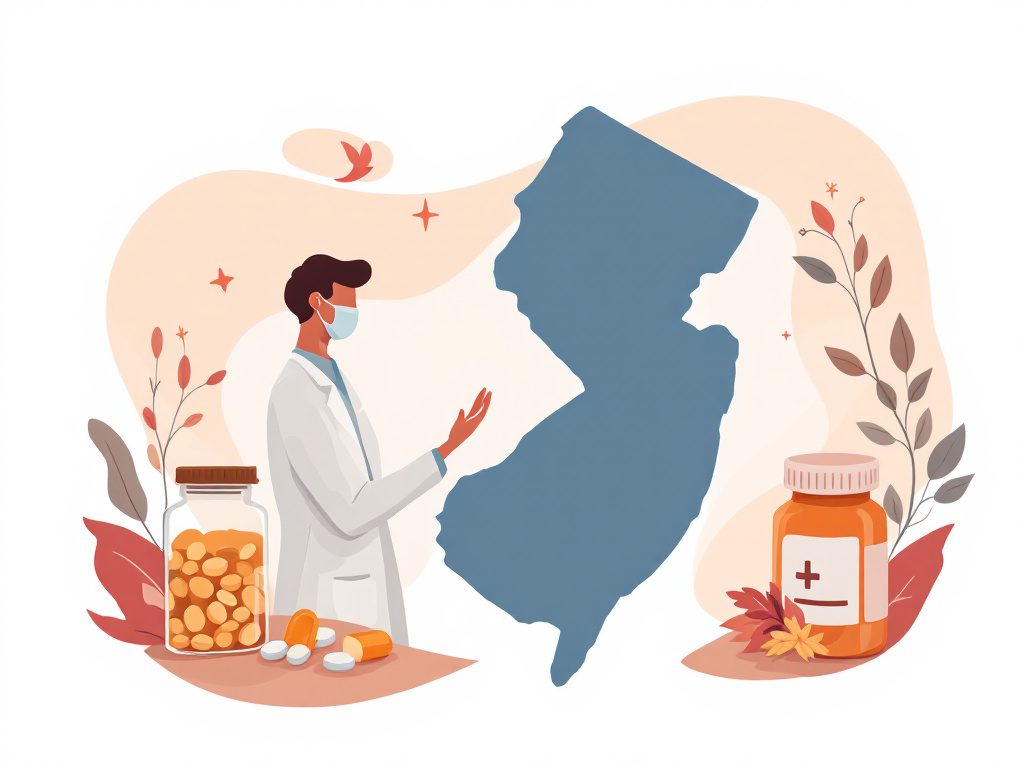
If you’re seeking medicaid outpatient drug counseling in New Jersey, you have options designed to fit your needs and budget. Outpatient counseling lets you remain at home or work while you attend regular therapy sessions and support groups. This approach offers flexibility, making it easier to balance recovery with daily responsibilities.
What it covers
Medicaid in New Jersey includes a broad range of counseling and support services under its behavioral health benefits. Covered services often include:
- Individual counseling for addiction, such as one-on-one sessions with a licensed therapist
- Group addiction therapy medicaid coverage group addiction therapy medicaid coverage for peer support
- Family counseling for addiction medicaid family counseling for addiction medicaid to rebuild relationships
- Case management and recovery planning covered by medicaid recovery planning covered by medicaid
- Medication-assisted treatment coordination, including referrals for methadone, buprenorphine, or naltrexone
Who is eligible
You qualify for these services if you meet New Jersey Medicaid requirements, including income guidelines and state residency. Young adults and adults with a diagnosis of opioid, alcohol, or stimulant use disorder can access these benefits. If you already receive Medicaid, you may be automatically enrolled; otherwise, you can apply through the state’s NJ FamilyCare program.
Explore covered counseling services
Medicaid outpatient counseling covers several evidence-based therapies that address the root causes of substance use disorders. Understanding each option helps you choose the mix of services that best supports your recovery journey.
Individual therapy
One-on-one counseling lets you work closely with your therapist to:
- Identify triggers and develop coping strategies
- Create personalized goals for sobriety and mental health
- Address co-occurring disorders through specialized treatment plans
Many providers accept medicaid outpatient support for recovery medicaid-outpatient-support-for-recovery, ensuring you can find a therapist in-network without high out-of-pocket costs.
Group therapy
In group settings, you’ll connect with peers facing similar challenges. Benefits include:
- Shared experiences that reduce isolation
- Accountability partners to encourage sobriety
- Discussion of relapse prevention strategies
C-Line Outreach offers structured group sessions that foster camaraderie and mutual support. You can also explore peer recovery programs accepting medicaid peer recovery programs accepting medicaid for additional community-based options.
Medication-assisted treatment
Medicaid covers medication-assisted treatment (MAT) when combined with counseling. This integrated approach has decades of research supporting its effectiveness in reducing cravings and preventing relapse. Common medications include:
| Medication | Purpose |
|---|---|
| Buprenorphine | Reduces opioid cravings and withdrawal symptoms |
| Methadone | Stabilizes brain chemistry to prevent withdrawal |
| Naltrexone | Blocks the effects of opioids and alcohol cravings |
| Naloxone | Emergency overdose reversal [1] |
Navigate relapse prevention planning
Relapse prevention is a critical component of lasting recovery. Medicaid supports specialized therapy and planning to help you anticipate challenges and maintain sobriety.
Personalized recovery plans
Through medicaid relapse prevention therapy medicaid-relapse-prevention-therapy, you and your counselor will:
- Assess your personal triggers and high-risk situations
- Develop coping strategies, such as mindfulness or stress-management techniques
- Schedule regular check-ins to adjust your plan as needed
These tailored plans empower you to stay proactive and confident in your recovery.
Support groups
Joining support groups can reinforce your relapse prevention plan. Options include:
- Twelve-step or non-12-step fellowships covered by medicaid support groups for addiction recovery medicaid-support-groups-for-addiction-recovery
- Peer-led recovery circles that meet weekly or biweekly
- Telehealth addiction counseling medicaid telehealth-addiction-counseling-medicaid for virtual group sessions
Regular group attendance builds a network of encouragement, reducing the risk of isolation that can lead to relapse.
Find accessible care providers
Locating a provider who accepts Medicaid and offers high-quality outpatient services is key to getting the help you need with minimal barriers.
C-Line Outreach programs
C-Line Outreach specializes in outpatient addiction counseling under Medicaid. Their offerings include:
- Evidence-based individual counseling
- Structured group therapy sessions
- Collaborative care teams coordinating with medical providers
- Integrated case management and recovery planning
With multiple New Jersey locations, C-Line Outreach ensures you can find a convenient site near your home or work.
Telehealth and online options
If traveling to a clinic is difficult, Medicaid covers online substance use therapy medicaid online-substance-use-therapy-medicaid and telehealth services. This flexibility helps you:
- Attend sessions from home via secure video calls
- Access specialty providers outside your immediate area
- Avoid transportation barriers and maintain privacy
Make the most of your coverage
Maximizing your Medicaid benefits means understanding provider networks, cost-sharing rules, and administrative requirements.
Check provider networks
Before scheduling, verify that your chosen counselor or facility is “in-network.” This prevents unexpected bills and streamlines billing. You can:
- Search the NJ Medicaid online directory
- Contact your counselor’s office to confirm acceptance
- Explore outpatient rehab that takes medicaid outpatient-rehab-that-takes-medicaid listings for alternative options
Manage copays and authorizations
New Jersey Medicaid may require nominal copays for outpatient visits, but these are often waived for those under hardship status. Additionally, some services may need prior authorization:
- Submit clinician treatment plans to your Medicaid plan
- Work with C-Line Outreach’s case managers to handle paperwork
- Appeal any denials promptly to avoid delays in care
Evaluate benefits and outcomes
Evidence shows that Medicaid-covered outpatient counseling leads to better health outcomes and cost savings for both individuals and the health system.
Improved health outcomes
Medicaid supports life-saving medications like Naloxone and MAT drugs, helping to lower overdose rates and improve long-term recovery [1]. Early intervention through EPSDT services for youth further prevents long-term substance use problems.
Cost savings
Treating individuals with medications under Medicaid has led to a 30% reduction in healthcare costs for those with alcohol use disorder compared to untreated peers. Overall, Medicaid’s investment in outpatient counseling and MAT translates into:
- Fewer emergency room visits
- Lower hospitalization rates
- Reduced criminal justice expenses
Take the first step
Recovery is within reach when you leverage the supports covered by Medicaid. By taking proactive steps, you can engage in outpatient counseling that fits your life.
How to enroll
- Confirm your Medicaid eligibility through NJ FamilyCare
- Choose an in-network provider like C-Line Outreach
- Schedule an intake assessment to start your personalized care plan
- Arrange for any necessary authorizations with your case manager
Your path to support
You don’t have to navigate this journey alone. Whether you’re seeking individual counseling, group therapy, or relapse prevention planning, Medicaid outpatient drug counseling provides a roadmap to healing. Reach out today to begin your recovery with the guidance and support you deserve.