Understanding telehealth support for mental health
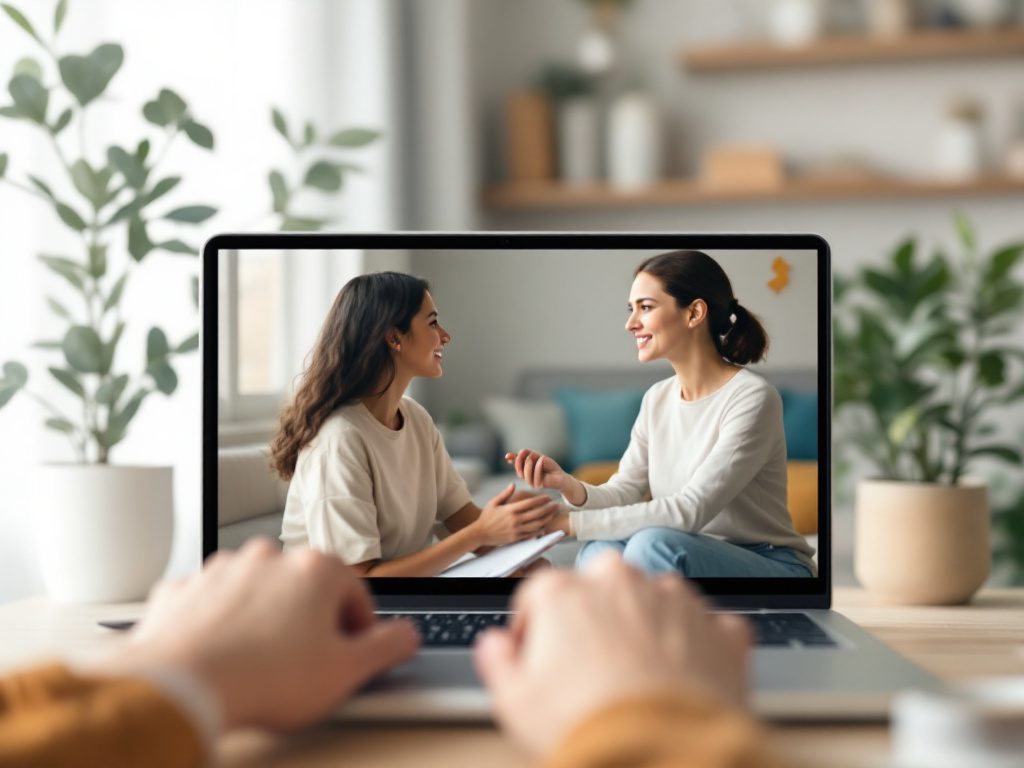
When you think about getting help for your mental health, you might picture driving across town, sitting in a waiting room, and meeting your therapist face to face. Telehealth support for mental health changes that experience. With secure video, phone, or messaging platforms, you can talk with a licensed therapist, psychiatrist, or counselor from home, work, or any private space that feels comfortable for you.
Telehealth uses two-way technology on computers, tablets, or phones to deliver clinical mental health care at a distance. This type of care improves access and flexibility, removes many transportation barriers, and often reduces missed appointments [1]. For you, that means more options and fewer obstacles to starting or continuing treatment.
You can use telehealth support for a wide range of concerns. These include anxiety, depression, trauma, relationship issues, stress, and substance use concerns. Through services like telehealth counseling nj and other virtual options, you can receive evidence-based treatment that is comparable to what you would receive in person.
Why access matters for your mental health
If you have ever struggled to find an available therapist or had to travel far for care, you are not alone. Over half of counties in the United States have no psychiatrists at all, and many areas lack enough mental health providers to meet demand [1]. When you add work schedules, family responsibilities, or transportation issues, it becomes even harder to get consistent support.
Telehealth support for mental health directly addresses these challenges. Instead of limiting your search to providers within driving distance, you can work with clinicians who are licensed in your state but may be located elsewhere. This immediately opens more options, especially if you are in a rural area or a part of the state with long waitlists.
Virtual services also reduce the time and cost involved in traveling to appointments. This can make it more realistic for you to attend therapy weekly or to participate in more intensive programs, such as virtual outpatient therapy nj or teletherapy substance use nj, without disrupting your daily life.
How telehealth counseling works in practice
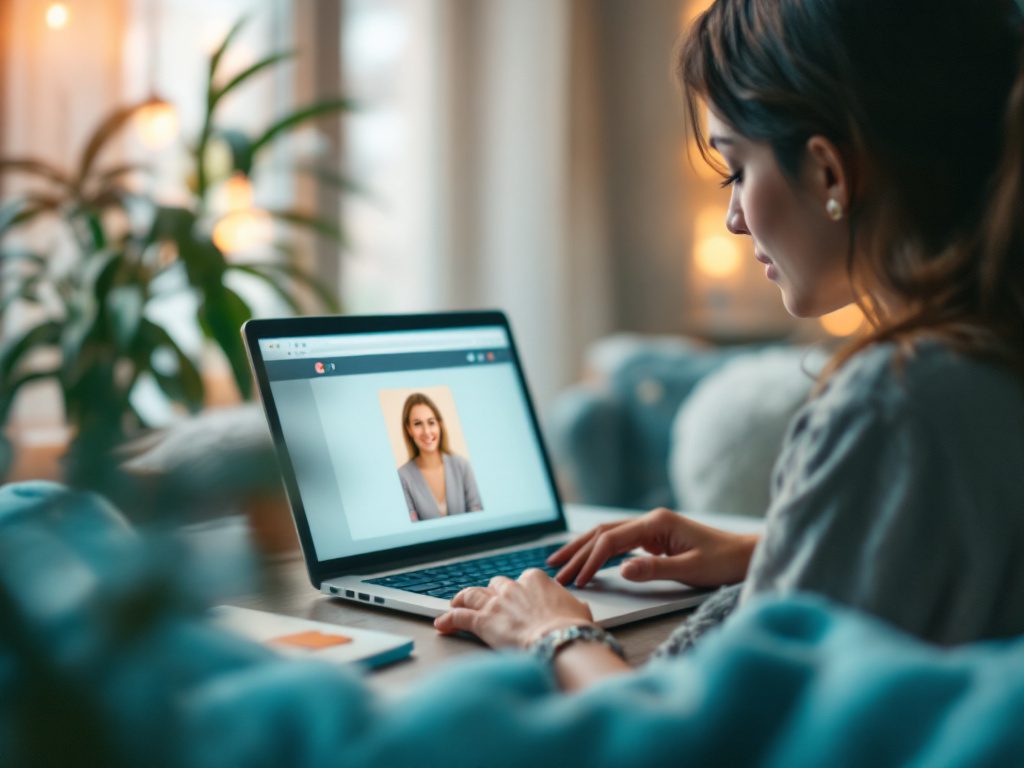
Telehealth counseling for mental health is usually delivered in three main formats. Video sessions are most common, but phone and secure messaging are also widely used. During a virtual appointment, you and your therapist interact in real time using a secure video platform, similar to a video call with a friend, but protected to meet privacy standards.
Telehealth is used for talk therapy, behavioral interventions, medication management, and even group or family sessions. A variety of professionals can provide this care, including mental health specialists, primary care providers, and allied health professionals [2]. This means you can often coordinate counseling and medication follow up through virtual care, rather than managing several separate in person visits.
If you need support for both mental health and substance use, integrated services such as telehealth dual diagnosis services or online addiction counseling can help you address both issues in a coordinated way. Your care team can meet with you virtually, track your progress, and adjust your plan as your needs change.
Research shows that for most mental health conditions, online behavioral health therapy delivered via telehealth is as effective as traditional in person sessions [2].
Evidence that telehealth can work for you
You might wonder whether telehealth support for mental health is as effective as seeing someone in person. A growing body of research suggests that, for many people and many conditions, it is.
Systematic reviews and randomized controlled trials have found that telehealth for depression, anxiety, PTSD, bulimia, and anger management leads to outcomes that are comparable to, and sometimes better than, in person care. These studies consistently report high patient satisfaction and a strong therapeutic alliance between clients and clinicians [3].
In a large study of 1,192 adults receiving intensive mental health treatment via telehealth during the COVID 19 pandemic, outcomes for depression and quality of life were similar to an equal number of adults who received in person care before the pandemic. Both groups showed moderate to large improvements over the course of treatment [4]. For you, this suggests that the quality and impact of care do not necessarily depend on being in the same room as your therapist.
Telehealth has also shown specific benefits for people with serious mental illness. A JAMA study led by Harvard researchers found that practices using telemedicine most often provided more frequent visits and better continuity of care for individuals with schizophrenia and bipolar disorder compared with practices that primarily relied on in person visits [5].
Key benefits of telehealth support for your mental health
When you choose telehealth support for mental health, you are not just choosing convenience. You are often improving your ability to stay engaged and make consistent progress in treatment. Some of the most important benefits include access, flexibility, privacy, and continuity of care.
Greater access wherever you live
Virtual behavioral health care helps reduce disparities in who can get treatment. Telehealth makes it easier for rural and at risk populations to access care by removing transportation barriers, reducing conflicts with work schedules, and lowering the impact of stigma associated with walking into a clinic [3].
If you live in an area without many specialty services, remote options such as remote mental health services or virtual therapy jersey city can connect you to clinicians who have the right experience for your situation. This is especially important if you need support for trauma, addiction, mood disorders, or co occurring conditions that require more specialized care.
Flexibility and better fit with your schedule
Telehealth sessions are typically easier to schedule around your life. Without travel time, you might only need a 45 or 60 minute block instead of setting aside several hours. This can reduce missed appointments and make it more realistic for you to maintain consistent weekly sessions.
During the COVID 19 pandemic, telehealth use for mental health claims rose from about 1 percent to over 50 percent in a matter of weeks and stayed at elevated levels through 2021. This sustained use suggests that people experienced benefits beyond just infection control, such as convenience, comfort, and reduced time and transportation costs [6].
If you are balancing treatment with work, school, caregiving, or recovery activities, telehealth can be the difference between attending therapy regularly and dropping out of care.
Comfort, privacy, and reduced stigma
Meeting from your home or another private space can feel less intimidating, especially if you are new to therapy. For some, avoiding the waiting room and the possibility of being seen entering a clinic reduces anxiety and stigma. This can make it easier to take the first step.
At the same time, privacy is a common concern. You might wonder if your information is secure or if others in your home will overhear. Many of these concerns can be managed with planning and the right technology. Solutions include using headphones, choosing a consistent private location, and confirming that your provider uses secure, encrypted platforms that follow legal privacy requirements. National organizations, including NAMI, emphasize the importance of strong privacy protections and ongoing research into what works best for different people [1].
Stronger continuity of care
Telehealth can make it easier for you to stay connected to your care team, even if your life changes. If you move within your state, change jobs, or lose access to transportation, you may still be able to keep working with the same therapist or psychiatrist, as long as they are licensed where you live.
Telehealth is also useful between higher levels of care. If you complete an intensive program, you can often step down to virtual outpatient therapy nj or regular telehealth counseling with the same organization. This reduces gaps in support that can increase your risk of relapse or symptom return.
Telehealth for substance use and co occurring disorders
Telehealth is widely used for mental health care, and it is increasingly common in substance use treatment. During the early months of the COVID 19 pandemic, telehealth claims for substance use disorder diagnoses increased from less than 1 percent to nearly 14 percent, then stabilized around 10 percent of claims through the end of 2021 [6].
If you are seeking help for alcohol or drug use, online options such as online addiction counseling and teletherapy substance use nj may give you more flexibility. Telehealth can be especially helpful if you feel nervous about going to a treatment center or if transportation and time away from home are major barriers.
For co occurring mental health and substance use conditions, integrated programs that offer telehealth dual diagnosis services can help you work on both areas at the same time. This coordinated approach is often more effective than treating each issue separately, because mental health symptoms and substance use typically influence each other.
There are still questions about when telehealth is the best fit for substance use care. Group treatments, privacy concerns in shared living environments, and the need for close medical monitoring can make in person options more appropriate for some people [6]. If you are unsure what level of care you need, you can start with a virtual assessment and discuss your options with a clinician.
Hybrid models that combine in person and virtual care
For many people, the most effective and sustainable plan blends both in person and virtual treatment. Hybrid approaches allow you to benefit from the strengths of each format. You might attend some sessions in person, such as an initial evaluation or specific types of therapy, and then continue with remote appointments for ongoing support.
A hybrid therapy model nj can be shaped around your needs, your diagnosis, your schedule, and your comfort level. For example, you might:
- Meet in person at the start of treatment, then shift to mostly telehealth as you stabilize.
- Use virtual sessions when you are ill, traveling, or unable to get to the office.
- Participate in virtual group therapy nj while seeing your individual therapist in person.
- Combine telehealth counseling with occasional in person medication reviews.
Hybrid care can be especially helpful if you are stepping down from a higher level of treatment, such as an intensive outpatient program or partial hospitalization. You can maintain connection and accountability through telehealth while gradually increasing your independence.
What you can expect in a telehealth session
If you are new to telehealth support for mental health, knowing what to expect can make it easier to get started. In most ways, a telehealth session is similar to an in person visit. The main difference is the setting and how you connect.
Typically, you can expect:
- A secure link or phone number from your provider before the session.
- A brief check in at the beginning about how you are doing and any changes since your last appointment.
- Time to talk about what is most important to you that day, including symptoms, stressors, or progress toward your goals.
- Use of the same evidence based therapies used in offices, such as cognitive behavioral therapy, trauma informed approaches, or motivational interviewing.
- A plan for what to focus on between sessions, such as coping skills, communication strategies, or recovery tasks.
Many programs provide additional tools through virtual platforms, such as secure messaging for brief check ins, digital worksheets, or educational materials. Integrated platforms like Teladoc Health and Talkspace illustrate how virtual systems can offer diagnosis, talk therapy, medication support, and remote monitoring within the same environment [7].
Common barriers and how to address them
Even with its advantages, telehealth is not without challenges. Being aware of these issues can help you prepare and decide if it is right for you.
Technology and internet access
You will need a reliable internet connection and a device that supports video if you want to use video sessions. Some people experience dropped calls, poor audio, or difficulty logging in. Studies during the COVID 19 pandemic identified technological difficulties as one of the key barriers to effective telemental health [8].
Possible solutions include:
- Testing your connection and platform before your first session.
- Using wired internet when possible or choosing a location with stronger Wi Fi.
- Having a backup plan, such as switching to a phone call if video fails.
- Asking your provider for a brief orientation to the telehealth platform.
For those without reliable internet or devices, telephone based sessions may be an alternative. Many providers offered phone visits during the pandemic when video was not feasible [8].
Privacy and confidentiality
Finding a private space can be difficult if you live with others or share limited rooms. Concerns about privacy and confidentiality are common in telehealth, particularly for people in crowded or unstable housing [8].
You can protect your privacy by:
- Using headphones to prevent others from hearing your therapist.
- Scheduling sessions when others are out or occupied.
- Sitting in a parked car, office, or another quiet place if home is not private enough.
- Talking with your therapist about code words or signals if someone enters the room.
Providers are responsible for using secure platforms that meet privacy regulations, and organizations such as NAMI advocate for strong protections as telehealth expands [1].
Building a therapeutic relationship online
Some people worry that it will be harder to build trust and connection through a screen. While the experience is different from being in the same room, research has found that therapeutic alliances can be just as strong in telehealth as they are in person [3].
If you feel unsure at first, it can help to:
- Give yourself several sessions before deciding whether telehealth is a good fit.
- Share your concerns openly with your therapist.
- Adjust camera placement so you can see and be seen comfortably.
- Minimize distractions by silencing notifications and closing other apps.
If you discover that telehealth alone is not enough, you can talk with your provider about adding some in person visits or moving into a hybrid therapy model nj.
Deciding if telehealth support is right for you
Choosing between telehealth, in person care, or a hybrid approach is a personal decision. The right option depends on your symptoms, your home environment, your comfort with technology, and your preferences.
Telehealth support for mental health may be especially helpful for you if:
- Travel, work, or caregiving make it hard to attend in person.
- You feel more comfortable opening up from your own space.
- You live in an area with limited mental health resources.
- You want to access specialized services like remote mental health services, virtual group therapy nj, or virtual therapy jersey city.
- You are transitioning between levels of care and want continuity through virtual outpatient therapy nj or similar programs.
On the other hand, in person care or a higher level of structured treatment may be more appropriate if you are in immediate crisis, lack any private space for sessions, or have medical or safety needs that require close monitoring.
You do not have to decide alone. You can start by scheduling a telehealth assessment or consultation. During that meeting, you and a clinician can review your situation, discuss telehealth and in person options, and decide together what combination of services best supports your mental health and recovery.
Telehealth support for mental health is not a second choice or a lesser version of care. For many people, it is a practical, effective, and sustainable way to stay connected, build skills, and move toward long term stability and recovery.
References
- (NAMI)
- (Forbes)
- (PMC)
- (PMC)
- (Harvard Clinical and Translational Science Center)
- (PMC)
- (Teladoc Health, Talkspace)
- (PMC)