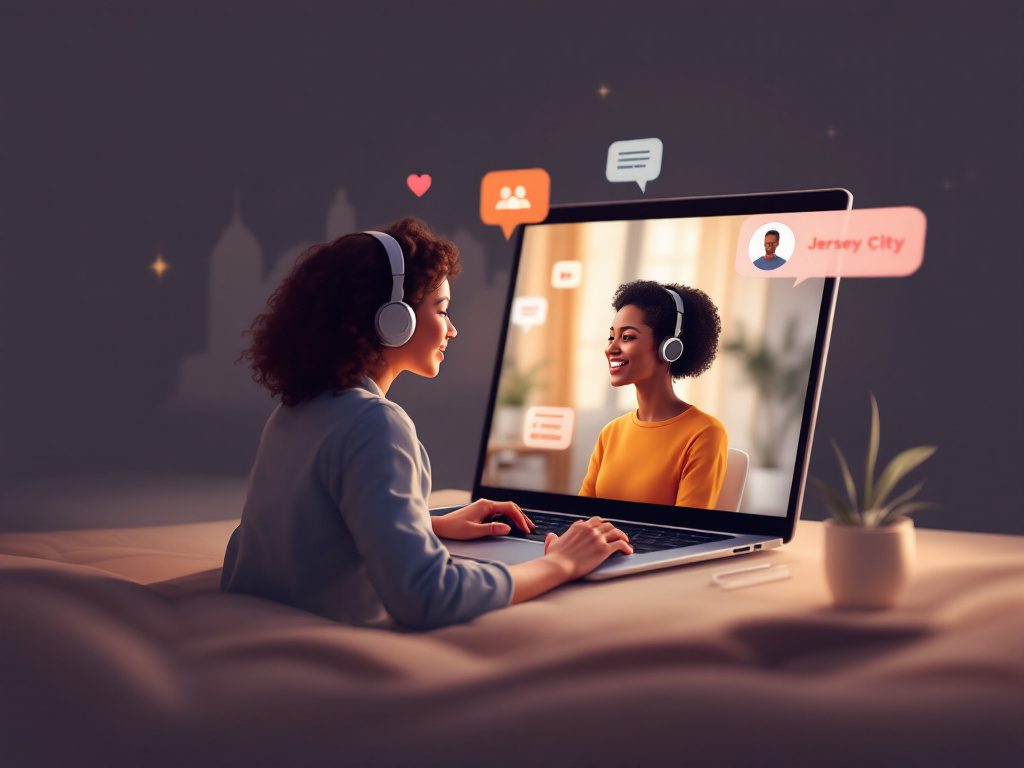
Virtual therapy has become a core option for mental health and addiction support in recent years, and that is especially true in urban areas like Jersey City. If you are juggling work, family, and commuting, it can be hard to add another appointment to your week. Virtual therapy in Jersey City gives you access to licensed professionals through secure video platforms so you can prioritize your wellbeing without adding more stress to your schedule. By choosing virtual therapy jersey city services, you can receive consistent care in a format that fits your life.
Understanding virtual therapy in Jersey City
Virtual therapy, sometimes called telehealth counseling or teletherapy, allows you to meet with a licensed therapist by secure video or phone instead of visiting an office. In Jersey City, a growing number of practices have adopted this model so you can access individual, couples, family, and group services from home.
Providers like Anchor Therapy use platforms such as Google Meet, which is HIPAA compliant, to protect your privacy and keep sessions secure while you talk from your own space [1]. Other organizations, including the Center for Hope and Renewal and the Lukin Center for Psychotherapy, rely on video platforms designed specifically for mental health care to maintain confidentiality and meet regulatory standards [2].
In practice, virtual therapy sessions in Jersey City look very similar to office visits. You and your therapist meet at a scheduled time, typically for 45 to 60 minutes, and follow a structured format focused on your goals and challenges [3]. The difference is that you log in from your kitchen table, your office, or a private room, which can make it easier to stay consistent with treatment.
How virtual therapy can improve your wellbeing
Telehealth counseling is not simply a more convenient option. For many people, it removes practical and emotional barriers to care and creates conditions that support long term mental health and recovery.
Increased access and reduced barriers
If you live or work in Jersey City, you likely know how quickly your day can fill with commuting, deadlines, and family responsibilities. Virtual therapy helps you fit care into that reality instead of trying to reshape your life around an appointment.
Telehealth services through local providers help you:
- Skip travel time to and from an office
- Reduce costs related to transportation or childcare
- Schedule appointments at times that previously would not have worked
Thriveworks notes that people who use online therapy in Jersey City often benefit from these practical gains, since they can attend sessions from home or work and avoid the added strain of commuting [4]. This flexibility can be especially important if you are dealing with low energy, depression, or anxiety, which can make leaving the house feel overwhelming.
Virtual options are also expanding rapidly. In the past year, 1,365 people in Jersey City sought online therapy, which signals not only demand but increasing comfort with video-based care [4].
Comfort, privacy, and emotional safety
Feeling safe and comfortable is central to effective therapy. Meeting from a familiar environment can lower anxiety and help you open up more fully.
Anchor Therapy encourages you to set yourself up for success by finding a private space, optimizing your internet connection, and allowing yourself to slow down and ignore the camera during sessions [1]. These steps can reduce self consciousness and make it easier to focus on what you are saying and feeling.
For some people, virtual therapy also reduces the fear of being recognized in a waiting room or explaining time away from work. That sense of increased privacy can make it easier to seek help earlier, rather than waiting until symptoms escalate.
Continuity of care and flexible models
Virtual therapy in Jersey City does not have to be all or nothing. Many practices now offer a hybrid model that combines in person and online sessions, so you can adjust your care as life changes.
The Center for Hope and Renewal allows you to alternate between telehealth and in person therapy, based on your schedule and preferences, while maintaining continuity of care [3]. A similar approach is available at some addiction and mental health programs that offer a hybrid therapy model nj, which can be especially helpful if you begin with more structured on site services and later transition to remote follow up.
This flexibility supports long term wellbeing. You are more likely to remain engaged in therapy when you have options that adapt to your work hours, childcare needs, or health limitations over time.
What types of issues virtual therapy can address
You can use virtual therapy jersey city services to address a wide range of mental health and substance use concerns. Many local providers rely on evidence based treatments that translate well to a video format.
Mental health concerns
Virtual therapists in Jersey City regularly work with:
- Anxiety disorders, including generalized anxiety, panic, and social anxiety
- Depressive disorders and mood changes
- Trauma and post traumatic stress
- Obsessive compulsive disorder
- Life transitions, grief, and relationship stress
Anchor Therapy’s telehealth offerings, for example, are designed to support anxiety, depression, trauma, OCD, postpartum depression, life transitions, and relationship counseling, using tailored treatment plans for each person [1]. The Lukin Center provides individual, couples, and family sessions, drawing on approaches like Emotionally Focused Therapy and EMDR to treat trauma and relationship distress in an online setting [5].
If you are primarily seeking help for mental health, you may also want to explore broader remote mental health services that connect you with therapists across New Jersey.
Substance use and dual diagnosis
If you are navigating substance use or addiction, virtual therapy can be part of a structured treatment plan or a step after more intensive care. Some programs in New Jersey offer teletherapy substance use nj and virtual outpatient therapy nj options so you can continue working on recovery while staying active in your daily life.
Telehealth can support you in several ways:
- Regular check ins to monitor cravings and triggers
- Counseling focused on relapse prevention skills
- Support for rebuilding routines and relationships in early recovery
- Education about the interaction between mental health and substance use
If you have both mental health symptoms and substance use concerns, you may benefit from specialized telehealth dual diagnosis services. These services are designed to address both areas together rather than in isolation, which can improve long term outcomes.
For some people, a mix of in person and virtual sessions, sometimes called online addiction counseling, offers the right balance of accountability and flexibility as recovery progresses.
Support for different age groups and identities
Telehealth counseling in Jersey City is not limited to adults. Anchor Therapy provides individual virtual sessions for children, teens, and adults, as well as couples, family, and group therapy, including specialized support for LGBTQIA+ clients [1]. This variety can make it easier to involve your partner, family members, or child in treatment without coordinating multiple trips.
Cultivate Therapy also offers virtual services across New Jersey, New York, Pennsylvania, Connecticut, and Vermont, and focuses on areas such as ADHD, sex therapy, EMDR for trauma, depression, and support for kids and teens [6]. If you or a family member needs specialized care, virtual sessions may actually expand your options beyond your immediate neighborhood.
Treatment approaches commonly used online
A key question you might have is whether evidence based therapies work as well online as they do in person. Research and clinical experience show that many approaches translate effectively to secure video. Jersey City providers are using these methods regularly in virtual care.
Cognitive and behavioral therapies
Approaches such as Cognitive Behavioral Therapy and Dialectical Behavior Therapy are especially well suited to telehealth. They involve talking, reflecting, and practicing skills, which you can do from your own space as long as you can see and hear your therapist.
Thriveworks therapists in Jersey City use CBT and DBT, as well as motivational interviewing and person centered therapy, in their online sessions [4]. These techniques can help you:
- Identify unhelpful thought patterns
- Develop healthier coping strategies
- Build emotion regulation and distress tolerance skills
- Clarify your values and goals
If you are participating in telehealth counseling nj as part of a broader treatment plan, your therapist can also help coordinate skills practice and homework between sessions.
Trauma informed and relational therapies
For trauma, grief, and relationship concerns, virtual therapists in Jersey City use methods like EMDR and Emotionally Focused Therapy. The Lukin Center provides both EMDR and EFT through its teletherapy platform, Doxy.me, which supports confidential, flexible scheduling from any location with internet access [5].
These approaches focus on building safety and connection first, then processing difficult memories or relational patterns at a pace that feels manageable. Many people find that doing this work from home, with familiar grounding tools nearby, increases their sense of control.
Group and specialized therapies
You can also participate in virtual group therapy nj and other group based telehealth services. Group formats can provide:
- Peer support and shared experience
- Accountability and encouragement between sessions
- A structured space to practice communication and coping skills
In Jersey City, clinicians like Mariam Gerges facilitate virtual group therapy focused on relationships for people in their thirties. She also leads a men’s group and a culturally specific group for women raised by immigrant parents, based out of locations in Jersey City and Hoboken [7]. These examples highlight how telehealth can support identity affirming and culturally attuned work without limiting you to the groups physically closest to you.
Cultivate Therapy offers additional specialized virtual services for couples and individuals working through sex therapy, ADHD, trauma, and depression, with a first step that includes a free consultation to match you with a therapist who fits your needs [6].
Practical benefits specific to Jersey City
While virtual therapy has broad advantages, several factors make it particularly relevant if you live or work in Jersey City or nearby communities like Hoboken.
Navigating urban schedules and commutes
Jersey City residents often balance demanding jobs, long transit rides, or irregular schedules. Telehealth services, including telehealth support mental health, let you schedule therapy during lunch breaks, before or after work, or between other commitments, without worrying about PATH or bus timetables.
The Lukin Center notes that teletherapy eliminates travel time and makes therapy accessible for those with busy or variable schedules in Northern New Jersey, including Jersey City [5]. The Center for Hope and Renewal emphasizes similar benefits, pointing out that telehealth can remove commute barriers and provide flexible appointment options for clients juggling work and family responsibilities [3].
Cost considerations and insurance
Affordability is another factor in your wellbeing. Thriveworks reports that its Jersey City therapists accept 27 major insurance plans, with average copays for online sessions as low as 24 dollars for many insured clients [4]. For virtual services at the Lukin Center, most insurance plans that cover in person therapy also cover telehealth, which can help you maintain care without a significant change in cost [5].
Cultivate Therapy notes that their sessions typically range from 100 to 250 dollars, and they support clients by submitting insurance claims after each session and offering a reimbursement calculator to clarify your coverage for virtual therapy [6]. Knowing in advance how sessions will be billed and reimbursed makes it easier to plan your care.
Local expertise with broader reach
Choosing virtual therapy jersey city providers means you are working with clinicians who understand the local culture, stressors, and resources, while also benefiting from the expanded reach of telehealth. Anchor Therapy focuses specifically on residents of Jersey City and surrounding areas, tailoring care to the mental health needs most prevalent in this community [1].
At the same time, organizations like Cultivate Therapy and the Lukin Center extend their services throughout Northern New Jersey and neighboring states, giving you access to specialty providers even if they are not in your immediate neighborhood.
Virtual therapy in Jersey City combines local insight with flexible technology, so you can receive connected, context aware care without being confined to a single office or zip code.
Getting started with virtual therapy in Jersey City
Taking the first step into therapy can feel uncertain, whether you are meeting online or in person. Understanding the process ahead of time can make it easier to begin.
Clarifying your needs and goals
Before scheduling, it can help to reflect on what you want from therapy. You might consider:
- What symptoms or situations are causing the most distress
- Whether you are seeking help for mental health, substance use, or both
- Whether you prefer individual, couples, family, or group work
- Any preferences around therapist gender, language, or cultural background
If you know you need support for both mental health and substance use, consider programs that offer telehealth dual diagnosis services so you do not have to piece together care from different providers.
Matching with a therapist
Many Jersey City practices now offer a structured intake or consultation process. Cultivate Therapy, for example, begins with a free consultation to match you with a therapist whose training and style align with your needs. You can then decide whether to continue virtually, in person, or in a hybrid format [6].
At the Lukin Center, Dr. Lukin personally matches clients with therapists based on expertise and personality fit, and you can then meet through their Doxy.me platform from any internet enabled location [5]. Thriveworks emphasizes fast access, with the option to meet online with a therapist as soon as the same week [4].
If you are looking for virtual counseling specifically tied to addiction or recovery work, you might explore virtual outpatient therapy nj or online addiction counseling to see how those services structure their matching and intake process.
Preparing for your first session
Once you have an appointment, a little preparation can help your session go smoothly and feel more grounded.
You might:
- Choose a private, quiet space where you feel comfortable speaking freely
- Test your internet connection and device beforehand
- Have headphones available for added privacy
- Keep a glass of water and any grounding items nearby
Anchor Therapy recommends being authentic, slowing down communication, and ignoring the camera as much as possible so you can focus on the conversation, not how you appear on screen [1]. You can share any concerns about technology or privacy with your therapist during the first session and problem solve together.
Integrating therapy into your life
Virtual therapy is most effective when it is woven into your daily routines rather than treated as a separate, isolated event. This might look like:
- Scheduling sessions at times when you are usually alert and able to focus
- Setting aside a few minutes after each session to reflect or journal
- Practicing skills or homework between appointments, such as CBT exercises or mindfulness practices
- Coordinating care with other supports, such as primary care, psychiatry, or support groups
If you are in recovery or managing complex mental health needs, telehealth can be part of a broader framework that includes in person services, community groups, and digital tools. For many people, combining these resources leads to more stable and sustainable wellbeing.
Is virtual therapy right for you
Virtual therapy jersey city options are not a perfect fit for every situation. For example, if you are in immediate crisis, have limited internet access, or feel significantly unsafe in your current environment, in person or higher level care may be more appropriate. A brief consultation with a provider can help you decide what level of support you need right now.
At the same time, for many people, telehealth counseling is as effective as office based therapy, and it can be more accessible and sustainable over time [1]. With multiple Jersey City practices offering secure, HIPAA compliant video sessions and evidence based treatment approaches, you have options to find care that aligns with your life, your values, and your goals.
If you are ready to explore what support might look like for you, you can start by reaching out to a local provider that offers telehealth support mental health services or related care that matches your needs. Virtual therapy can become a practical, consistent way to care for your mental health and, over time, can contribute meaningfully to your overall wellbeing.