Understanding telehealth counseling in NJ
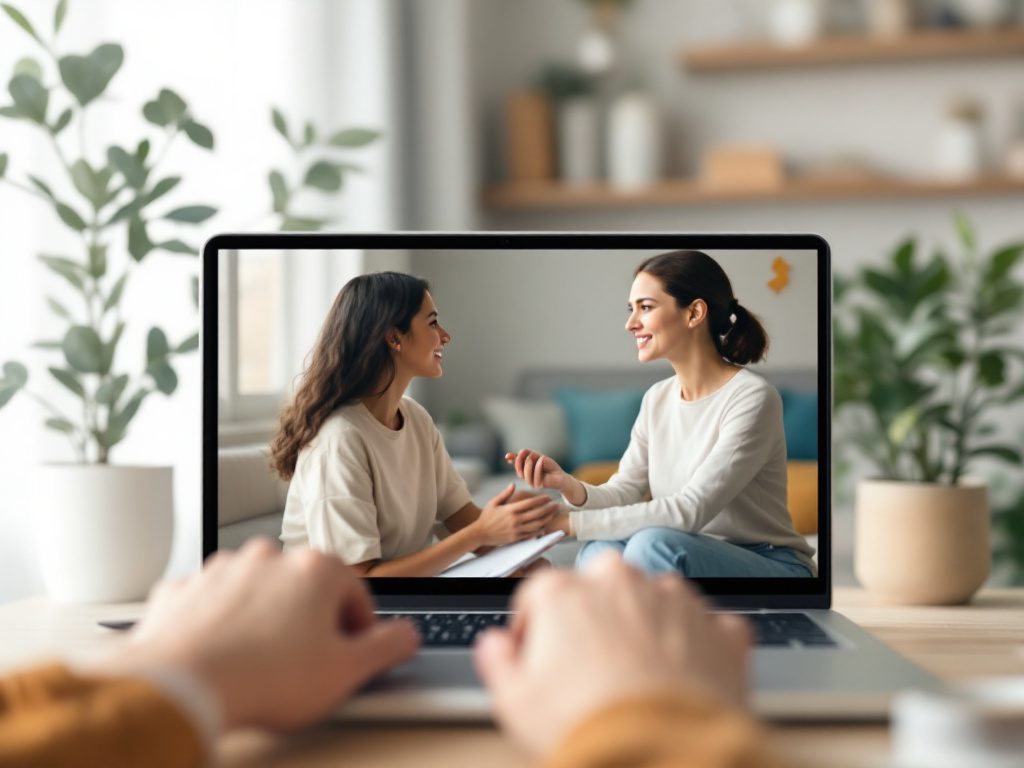
If you are exploring options for mental health or substance use treatment, telehealth counseling in NJ gives you a flexible way to get support without always needing to go into an office. Through secure video or phone sessions, you can connect with a licensed therapist from your home, workplace, or any private space.
Telehealth counseling in NJ is used for a wide range of needs. You can address anxiety, depression, trauma, relationship stress, and substance use concerns through remote sessions that follow the same clinical standards as in person care. For many people, this approach makes it much easier to start and sustain treatment.
In New Jersey, telehealth services typically use HIPAA compliant platforms to protect your privacy. Your sessions are confidential, and you work with your therapist to set goals, track progress, and adjust your treatment plan over time. Whether you are new to therapy or continuing existing care, telehealth can be central to your recovery and overall wellbeing.
Why telehealth counseling in NJ is a smart choice
Telehealth counseling in NJ can be a smart choice for you if you are looking for care that fits your life rather than the other way around. When you do not have to factor in commuting time, traffic, or public transportation, you are more likely to attend sessions consistently. That consistency is a key factor in positive treatment outcomes.
Virtual counseling also lowers some of the emotional barriers that might have kept you from starting therapy in the past. If you feel nervous about being seen walking into a clinic, or if you are worried about running into someone you know in a waiting room, meeting online can feel more private and manageable. You can engage in therapy from a space that feels safe and familiar, which often makes it easier to open up.
For many people, cost is another consideration. While coverage varies by plan, telehealth sessions may be covered similarly to in person visits by New Jersey insurers, including Medicaid and many commercial plans, as outlined by state telehealth parity laws and recent policy updates from organizations such as the Kaiser Family Foundation. This can make virtual services a practical part of your ongoing care.
How telehealth sessions work day to day
In most NJ telehealth counseling programs, your care begins with an intake or assessment session. During this first meeting, you and your clinician talk about your history, current symptoms, and goals. Together, you decide whether ongoing telehealth, in person visits, or a combination of both will best support your needs.
For your regular sessions, you typically receive a secure link by email or text before your appointment. At your scheduled time, you click the link, confirm your identity if required, and join a private virtual room with your therapist. Sessions often last 45 to 60 minutes, similar to traditional outpatient therapy.
If you are participating in a structured outpatient program, telehealth might be combined with group counseling, medication management, or check ins with a case manager. In New Jersey, many programs now use a mix of virtual and in person services, which allows you to maintain your work or family responsibilities while still receiving clinically appropriate support.
Benefits for mental health counseling
Telehealth counseling in NJ can be particularly effective for mental health concerns such as anxiety, depression, trauma related symptoms, and mood disorders. When you have easy access to care, it becomes more realistic to attend weekly sessions, follow through on treatment plans, and reach out for help when symptoms change.
Working from home or another private place can also reduce some of the stress that might come with traditional office visits. You might feel more comfortable discussing sensitive topics when you are not rushing to find parking or sitting in a busy waiting room immediately beforehand. That comfort can support deeper work in areas such as emotional regulation, communication skills, or coping strategies.
If you are balancing multiple responsibilities, you can often schedule telehealth sessions during lunch breaks, before or after work, or between classes. This flexibility makes it easier to integrate therapy into your life instead of putting it off until you feel you have more time or energy. For an overview of how digital care can fit into a broader treatment plan, you can also explore options for remote mental health services.
Telehealth support for substance use and recovery
If you are facing substance use issues, telehealth counseling in NJ can be an important part of your recovery journey. Many programs offer individual teletherapy sessions that focus on relapse prevention, craving management, and building healthier routines. You can discuss triggers, high risk situations, and coping strategies in real time, often closer to when challenges arise.
New Jersey providers increasingly offer specialized teletherapy substance use NJ services. These programs are designed to address alcohol use, opioid use, stimulant use, and other substance concerns through evidence based approaches delivered virtually. Depending on your needs, telehealth may be paired with medical management or in person services when necessary.
If you are working on both mental health and substance use challenges at the same time, you may benefit from telehealth dual diagnosis services. These services address conditions such as depression, PTSD, or bipolar disorder alongside substance use, helping you understand how they interact. A coordinated plan can support you in making safer decisions and sustaining recovery over time.
For ongoing support, some people also choose online addiction counseling as a flexible way to stay engaged with treatment after completing a more intensive program. Telehealth check ins can help you maintain accountability and adjust strategies as your life circumstances change.
Who benefits most from telehealth counseling in NJ
Telehealth counseling in NJ can support many different situations. You may find it especially helpful if you:
- Live far from counseling offices or reliable transportation
- Have mobility challenges or chronic health conditions
- Work irregular hours or shifts
- Provide care for children or other family members
- Feel anxious about in person visits or public spaces
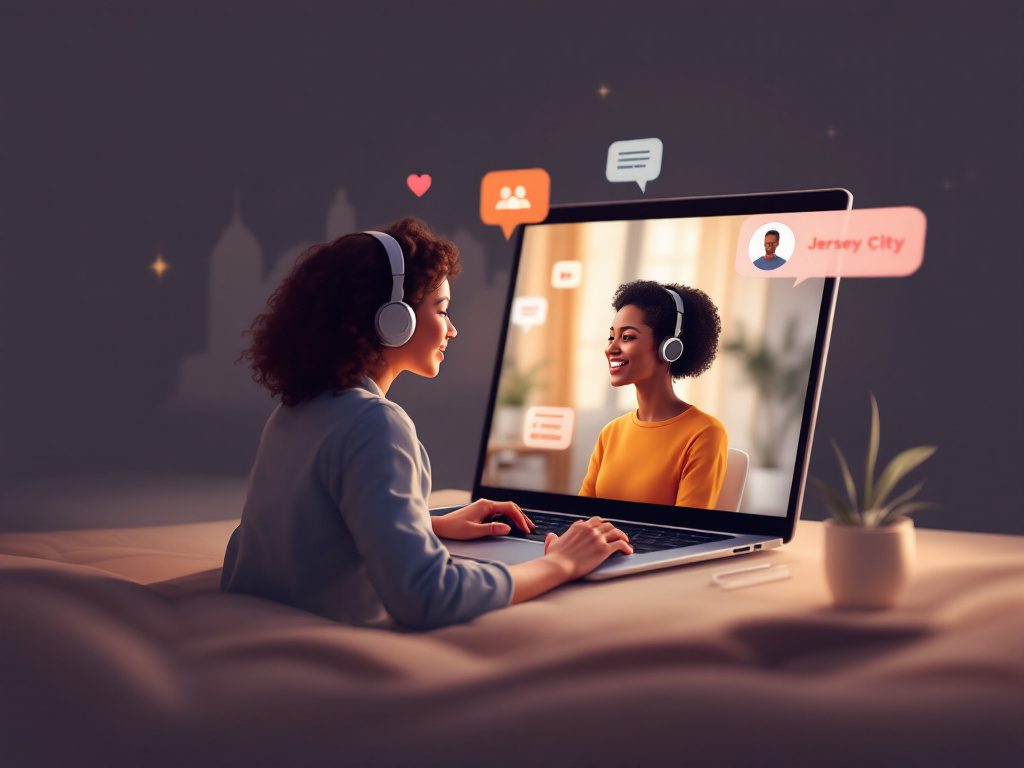
If you are in a busy urban area such as Hudson County, virtual sessions can be a practical alternative to commuting to appointments. Services like virtual therapy Jersey City are designed for people who need flexible care that still meets professional standards.
Telehealth can also work well for college students, professionals who travel, or anyone whose schedule changes from week to week. Your therapist can meet you where you are, as long as you are physically in New Jersey at the time of the session and have a private space to talk.
Addressing common concerns about virtual counseling
You might have questions about whether telehealth counseling in NJ will feel as effective or personal as meeting in person. It is common to wonder if you will be able to build a strong connection with your therapist or if technology will get in the way.
In practice, most people adapt quickly to the virtual format. Once sessions begin, the focus shifts to the conversation rather than the screen. Many therapists use specific techniques to enhance engagement online, such as checking in about how the format is working for you and adjusting their style when needed.
You may also worry about privacy. Reputable NJ providers use platforms that meet HIPAA security standards. Your therapist will talk with you about how to create a private environment on your side, such as using headphones, closing doors, or choosing times when you are less likely to be interrupted.
If you are concerned about whether telehealth will meet clinical standards, you can review guidance from organizations such as the American Psychological Association and the Substance Abuse and Mental Health Services Administration, which outline best practices and safety protocols for virtual behavioral health care. These guidelines inform how NJ providers structure their telehealth services.
Telehealth is not about making care less personal. It is about using technology to make high quality, person centered care more reachable and sustainable for you.
Technology, privacy, and what you need to get started
You do not need advanced equipment to participate in telehealth counseling in NJ. Most programs only require:
- A smartphone, tablet, or computer with a camera and microphone
- A stable internet connection or data plan
- A quiet, private space where you feel comfortable talking
Before your first appointment, your provider usually sends you instructions on how to access their platform. You may be asked to test your device, enable your camera, or download an app. If technology is new to you, your care team can often walk you through the steps.
Privacy protections apply to telehealth services just as they do to in person care. Your therapist is required to follow confidentiality laws, and the platforms used must be designed to protect your information. In New Jersey, telehealth regulations continue to evolve, and providers stay informed about state rules related to consent, documentation, and emergency procedures.
Hybrid outpatient models that combine telehealth and in person care
For many people, the most effective approach is a hybrid model that blends telehealth counseling in NJ with scheduled in person services. This can give you the accountability and structure of on site visits combined with the flexibility of remote care.
A hybrid approach might involve attending an initial evaluation and periodic check ins at a clinic, while most weekly sessions occur virtually. Or you might participate in some services, such as group counseling, online while seeing certain specialists in person. Programs that follow a hybrid therapy model NJ framework can tailor this mix to your specific goals and symptoms.
If you are in an outpatient program, hybrid care allows you to continue working or attending school without sacrificing support. For example, virtual outpatient therapy NJ can include a structured schedule of individual and group sessions that you join online, along with clear expectations for participation and follow up. When in person contact is clinically needed, your team can coordinate those visits.
Individual, group, and specialized virtual services
Telehealth counseling in NJ is not limited to standard one on one sessions. Many providers offer a range of virtual options so that you can receive comprehensive care in a format that works for you.
Individual telehealth therapy focuses on your personal history, symptoms, and goals. You and your therapist might use approaches such as cognitive behavioral therapy, motivational interviewing, or trauma informed techniques, adapted for online delivery.
Group sessions are also available in virtual formats. Through virtual group therapy NJ, you can connect with others who are working on similar challenges. Group work can help you feel less isolated, build communication skills, and learn from peers, all while attending from your own space.
Some programs offer targeted telehealth tracks for specific concerns, such as trauma, mood disorders, or relapse prevention. When these are combined with telehealth support mental health services, you have access to a coordinated system of care that can adjust as your needs change.
Here is a quick comparison of common virtual service types:
| Service type | Primary focus | Typical format |
|---|---|---|
| Individual telehealth therapy | Personal goals and symptom management | One on one video sessions |
| Virtual group therapy | Peer support and shared learning | Small group video meetings |
| Telehealth addiction services | Substance use and recovery strategies | Individual and group tracks |
| Dual diagnosis telehealth | Mental health and substance use together | Coordinated team based care |
When telehealth might not be the best fit
While telehealth counseling in NJ offers many advantages, it is not the ideal option for every situation. If you are experiencing a medical or psychiatric emergency, you need immediate in person help through local emergency services or crisis hotlines. Telehealth is not designed to replace urgent or emergency care.
You may also need more intensive in person support if you are in early withdrawal, have complex medical conditions, or are at high risk of harm to yourself or others. In these cases, telehealth can still play a role as part of your long term plan, but it would typically follow stabilization in a higher level of care.
If you are unsure whether virtual care is appropriate for you right now, you can start with an assessment. Your provider will ask about your symptoms, history, and current environment. Together, you can decide whether telehealth, in person visits, or a combination of both will provide the safest and most effective support.
Taking your next step toward telehealth counseling in NJ
If you are considering telehealth counseling in NJ, your next step is usually a simple one. You can contact a provider, ask about their virtual options, and schedule an initial appointment to talk through your goals. Many people find that once they experience one or two sessions, the process feels more natural and approachable than they expected.
You do not have to wait until you feel worse or until your schedule becomes less busy. Telehealth is specifically designed to fit into real life, with all its responsibilities and unpredictability. Whether you are interested in individual counseling, virtual outpatient therapy NJ, online addiction counseling, or longer term remote mental health services, there are flexible options available to you.
By choosing telehealth counseling in NJ, you give yourself access to professional support that meets you where you are. That choice can be an important step toward greater stability, healthier coping, and a more sustainable path forward.