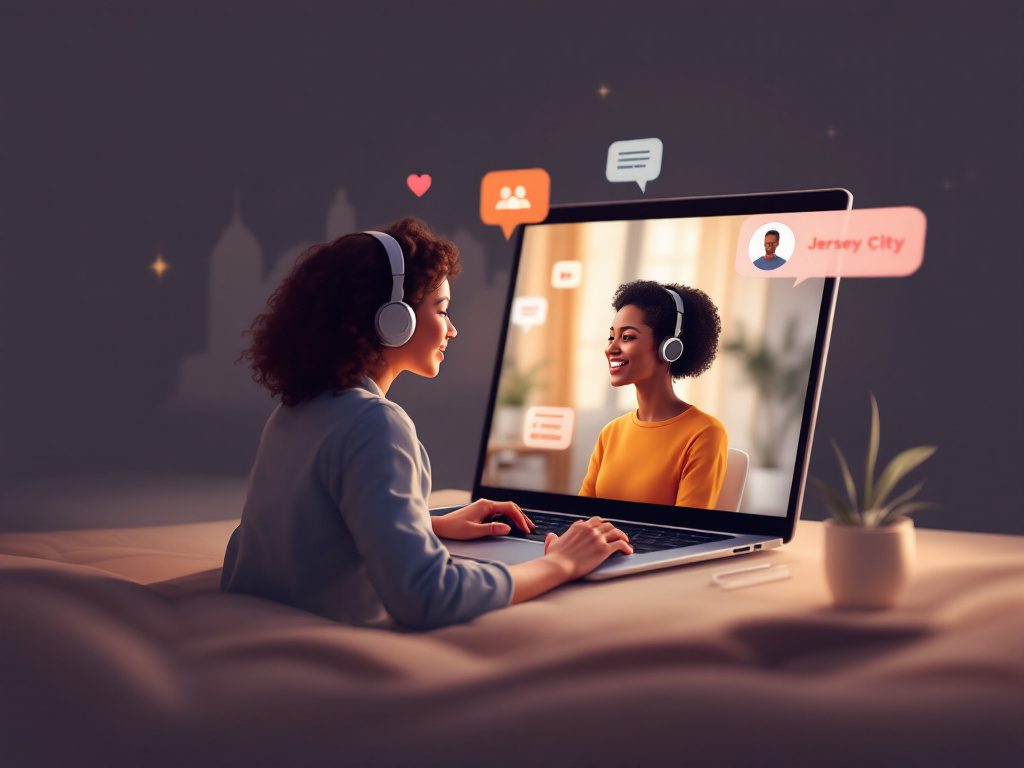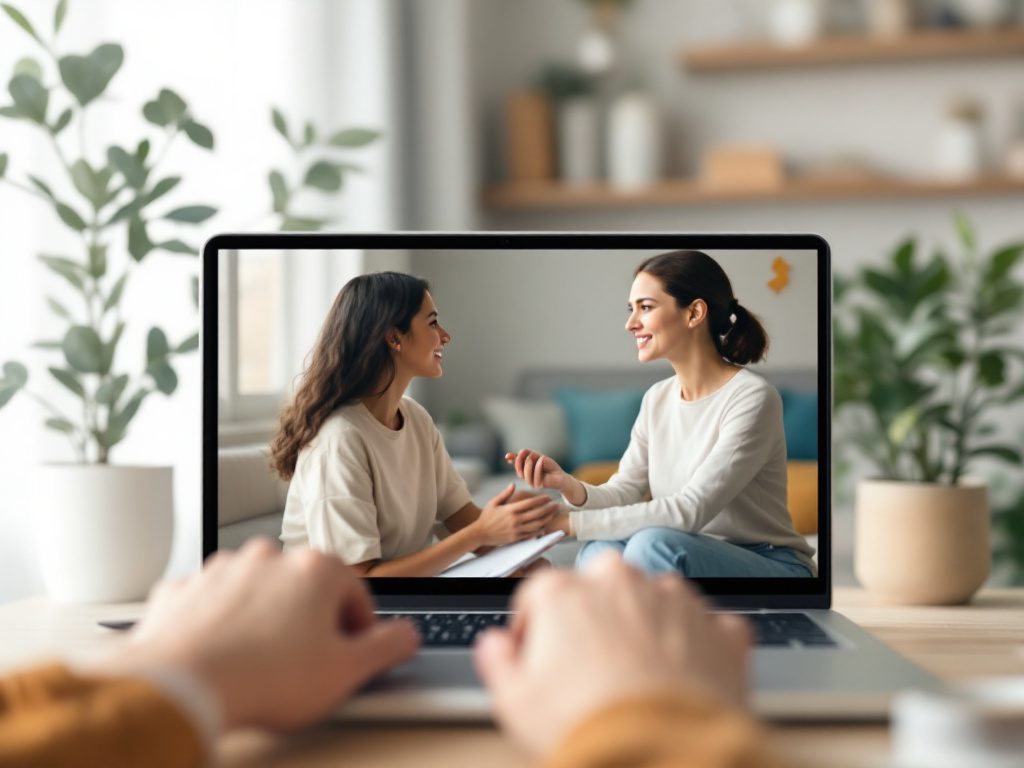
Telehealth dual diagnosis services bring comprehensive care for both mental health and substance use disorders directly to you, wherever you are. If you are navigating anxiety, depression, PTSD, bipolar disorder, or another mental health condition along with substance use, you might be wondering whether virtual care can really support your recovery as well as in-person treatment.
Research suggests that for many people, telehealth can be just as effective as traditional care for substance use and co-occurring conditions, while also improving access and convenience. Telepsychiatry outcomes for substance use disorder (SUD) are generally comparable to in-person treatment, with similar rates of abstinence, quality of life, and overall prognosis across virtual, in-person, and hybrid models [1].
This guide walks you through how telehealth dual diagnosis services work, what they can and cannot offer, and how to decide whether they are the right fit for your recovery.
Understanding telehealth dual diagnosis services
Telehealth dual diagnosis services are designed to treat both your mental health condition and your substance use at the same time through secure online platforms. Instead of traveling to a clinic several times a week, you connect with your care team using video sessions, secure messaging, and digital tools.
In many programs, you start with a comprehensive assessment so your team can understand your mental health history, substance use patterns, medical conditions, and social supports. From there, you receive an individualized plan that blends addiction treatment and mental health care into one integrated approach, rather than treating each issue separately [2].
Your care may include individual therapy, psychiatric medication management, telehealth counseling nj, and structured relapse prevention. Instead of piecing together different providers on your own, you have one coordinated team working with you over time.
How virtual dual diagnosis treatment works
Telehealth dual diagnosis treatment usually brings together several modalities that you access from home or another private place.
Core components of care
Clinical teams typically combine these elements:
- Video-based individual therapy
- Virtual group therapy and peer support
- Psychiatric evaluation and medication management
- Skills training for coping and relapse prevention
- Ongoing monitoring and follow up using digital tools
Programs like Creative Recovery use evidence based therapies such as cognitive behavioral therapy (CBT), dialectical behavior therapy (DBT) skills groups, peer group therapy, and structured relapse prevention that blends coaching with interactive resources [2].
If you live in New Jersey, you might pair these services with virtual outpatient therapy nj or a hybrid therapy model nj that combines online and in person care.
Communication channels and technology
You typically access telehealth dual diagnosis services through:
- Encrypted video platforms for therapy, psychiatry, and groups
- Secure messaging portals to ask questions between sessions
- Phone calls when video is not possible
- Digital tools that track mood, cravings, or sleep
Some platforms also use data and AI tools to flag early signs of relapse risk by monitoring mood patterns, behavior changes, or environmental stressors, which can be especially helpful when your mental health symptoms tend to flare before substance use [3].
If you feel more comfortable staying fully remote, you can lean on remote mental health services and online addiction counseling as the core of your dual diagnosis plan.
Evidence on effectiveness and outcomes
You may wonder whether you lose something important when you are not in the same room as your providers. Existing research suggests that telehealth dual diagnosis services can achieve outcomes similar to in person care for many people.
A systematic review of telepsychiatry for SUD found that prognosis, abstinence rates, quality of life, and psychological well being were similar for patients treated virtually compared to traditional settings [1]. Another large study following over 3600 SUD patients during the early COVID period found no significant differences in continuous abstinence, quality of life, or confidence in sobriety across in person, hybrid, and fully virtual care groups [1].
Treatment retention is especially important when you are managing both mental health and substance use. Research on opioid use disorder patients receiving medication showed higher one year retention among people treated through telepsychiatry, at 50 percent, compared with 39 percent in fully in person care. A mixed telepsychiatry and in person group had 47 percent retention, reinforcing the value of flexible models [1].
Other evidence supports telehealth use beyond initial treatment:
In a 2022 JAMA Psychiatry study, patients who used telehealth for continuing addiction care were 27 percent more likely to remain engaged in treatment three months after discharge compared with those who did not use telehealth, an especially important factor for dual diagnosis recovery [3].
When you are living with both a mental health condition and a substance use disorder, engagement, consistency, and integrated care matter as much as the setting itself. Telehealth can support all three.
Benefits of telehealth for dual diagnosis
Telehealth dual diagnosis services offer advantages that can directly influence whether you start treatment, stay with it, and build long term stability.
Greater access and convenience
Distance, transportation, and time away from work or caregiving responsibilities can make in person treatment difficult. Virtual services reduce or remove many of these barriers. Telepsychiatry has been shown to improve accessibility for rural patients, people who live far from specialty clinics, and those who struggle with transportation costs or taking time off work [1].
For many people, the convenience factor is not just about comfort. It is the difference between having care and going without it. A study of Wisconsin Medicaid beneficiaries during the COVID public health emergency found that patients with SUD were more likely to use telehealth than patients with type 2 diabetes, and they completed a higher fraction of their visits through telehealth. This helped offset some of the disruption in primary care visits during that time [4].
If you have struggled to attend regular sessions in person, options like teletherapy substance use nj or virtual therapy jersey city can make a consistent schedule more realistic.
Reduced stigma and greater privacy
Walking into a substance use or mental health clinic can sometimes feel exposing. When you access care from home, you have more control over your privacy and how visible your treatment is to others.
Telehealth may also reduce perceived stigma. One analysis suggests that virtual care simplifies logistics and can improve anonymity for people with SUD, which may lower emotional barriers to seeking help [4]. If you have postponed getting support because you worry about being seen entering a clinic, telehealth can make that first step easier.
At the same time, privacy at home is not guaranteed for everyone. If you live with many people or in a small space, you may need to plan ahead to create as much confidentiality as possible. You can often discuss options with your care team, such as using headphones, scheduling at quieter times, or attending some sessions from your car or another private location.
Improved engagement and follow through
Many people with dual diagnosis need ongoing care after intensive treatment, especially to manage mental health symptoms that can raise relapse risk. Teletherapy appears to improve follow through in this continuing care phase.
In a 2022 survey by the National Alliance on Mental Illness, 64 percent of respondents with co occurring conditions said they were more likely to attend telehealth mental health appointments than in person ones [3]. Virtual peer support add ons have also been linked with better completion rates for continuing care plans, with one pilot program showing a 40 percent higher completion rate among patients who used virtual tools [3].
If you know you tend to disengage once life gets busy again, having scheduled virtual sessions and digital check ins can help you stay connected to your treatment team.
Integrated care for co occurring conditions
Roughly half of people with SUD also live with a co occurring mental health disorder, and untreated mental health symptoms are a leading driver of relapse [3]. Telehealth dual diagnosis services are built around this reality.
Rather than sending you to separate providers for therapy, psychiatry, and addiction counseling, integrated programs coordinate your care within one virtual framework. This makes it easier to:
- Adjust medications in response to changes in cravings, sleep, or mood
- Align therapy goals with your recovery milestones
- Address PTSD, depression, or anxiety that may be fueling substance use
If you already receive telehealth support mental health, adding online addiction counseling within the same or a coordinated system can strengthen your overall plan.
Common barriers and limitations
Telehealth does not eliminate every obstacle and it is not ideal for every situation. Understanding the limitations can help you weigh your options more realistically.
Technology and access challenges
Not everyone has a reliable device, private space, or stable internet connection. During the COVID pandemic, people with lower socioeconomic status often lacked the hardware and internet needed for video based telemental health services, which limited their access to virtual care [5].
If your internet connection is unstable or you share devices with others, sessions may be interrupted or less frequent than you would like. Some programs can offer phone based visits when video is not possible, but phone sessions may not work as well for all therapies.
It can be helpful to ask potential providers how they handle connectivity issues, what platforms they use, and whether they can accommodate lower tech options when needed.
Privacy, safety, and therapeutic connection
Telemental health research has identified several concerns that can affect your experience:
- Difficulty finding a private space at home
- Worries about others overhearing confidential discussions
- Less access to non verbal cues that help build therapeutic connection
- Harder time maintaining focus due to home distractions
These challenges were common during the pandemic and can still show up now [5]. For some people, especially those in crowded or high conflict homes, privacy is a serious concern. Safety planning may also look different when your clinician cannot directly assess your environment.
That said, virtual care can also create unique benefits. Providers are sometimes able to observe your living environment, which adds context to your treatment and can inform more practical support. Some families found that telehealth increased parental involvement for youth, and that flexible scheduling reduced cancellations [5].
Clinical appropriateness and higher level needs
Telehealth dual diagnosis services work best when you are medically stable, not in acute withdrawal, and not in immediate danger of harming yourself or others. More intensive or in person care is often recommended if you:
- Need 24 hour medical monitoring or detox
- Are experiencing uncontrolled psychosis or severe mania
- Have frequent overdoses or medical crises
- Cannot safely participate in sessions from home
In these cases, telehealth might still play a role later as you step down to a lower level of care, or as part of a hybrid therapy model nj that combines remote and in person support.
Telehealth, in person, and hybrid models
You do not have to choose between all virtual or all in person care. Many people do best with a hybrid approach that adjusts over time.
Comparing your options
A simple way to think about the differences is in terms of flexibility, intensity, and connection:
| Model | What it looks like | When it may fit |
|---|---|---|
| Primarily telehealth | Most or all services by video or phone, occasional in person visits if needed | You have stable housing, moderate symptoms, and transportation or stigma barriers |
| Primarily in person | Regular visits to a clinic or program, limited virtual follow up | You need higher structure, medical monitoring, or do not have private space at home |
| Hybrid model | Mix of on site visits and virtual outpatient therapy nj sessions | You want flexibility but also value periodic face to face support |
Hybrid care is especially useful if you live near services but have a schedule that changes week to week. You might attend some sessions in person and others through virtual group therapy nj or video based psychiatry.
How to choose what is right for you
When deciding how much telehealth to include in your dual diagnosis plan, it can help to ask yourself:
- Can I find a private, safe place for sessions most of the time?
- Do I have a device and internet connection that support video calls?
- Am I more likely to attend if I do not have to travel?
- Do my symptoms feel manageable with outpatient level care?
- Do I feel comfortable building relationships through a screen?
Your answers can guide whether you lean more on remote mental health services, prioritize in person visits, or create a hybrid arrangement.
Practical questions to ask potential providers
As you explore telehealth dual diagnosis services, asking specific questions can help you find a good fit.
You might consider discussing:
- Integration: How do you coordinate mental health and substance use treatment so I am not receiving conflicting messages?
- Access: What happens if my video drops or my internet is not reliable? Do you offer phone sessions as a backup?
- Privacy: What steps do you take to protect confidentiality on your platform? Can you help me problem solve privacy in my home?
- Crisis response: How do you handle emergencies or sudden changes in my safety?
- Scheduling: Do you offer evening or weekend sessions? How flexible are you if my work shifts change?
- Groups: Do you provide virtual groups or peer support that focus on both mental health and substance use?
If you are in New Jersey, you can also ask how your team might connect you with virtual therapy jersey city, teletherapy substance use nj, or other remote mental health services that fit your location and insurance.
Is telehealth dual diagnosis right for your recovery
Telehealth dual diagnosis services are not a one size solution, but they can be a powerful option if you want integrated care that adapts to your life. The evidence suggests that virtual and hybrid models can match in person outcomes for many people, and may improve retention and engagement, which are crucial for long term recovery [6].
If you value flexibility, need to work around transportation or childcare, or feel more comfortable starting treatment from home, telehealth may be a strong place to begin. From there, you can adjust the balance between virtual and in person care as your needs and circumstances change.
You do not have to decide everything at once. You can start with an initial consultation, ask about telehealth counseling nj or a hybrid therapy model nj, and build a plan that matches where you are today while keeping the door open to future changes as you move forward in recovery.
References
- (PMC)
- (Creative Recovery)
- (Renew Health)
- (PLOS ONE)
- (PMC)
- (PMC, Renew Health)