Overview of outreach counseling
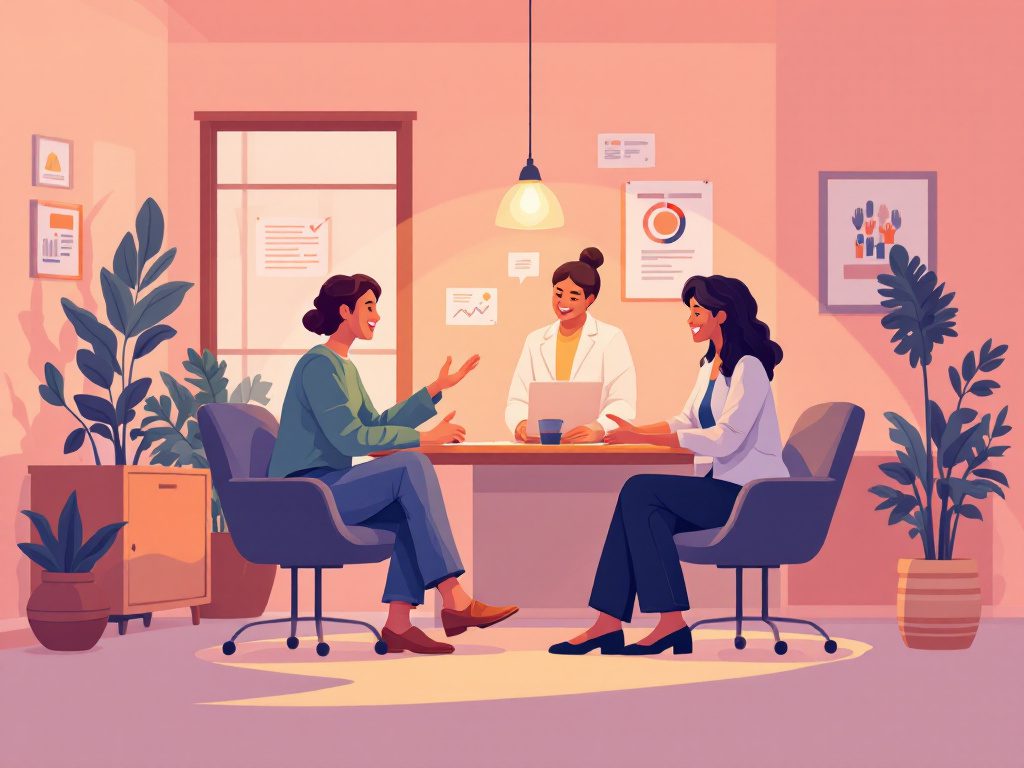
Your journey toward recovery often involves more than therapy sessions or medical treatment. Nonprofit outreach counseling in New Jersey brings support directly into your community, helping you navigate complex systems and access services that fit your individual needs. By combining professional guidance with local resources, these programs ensure you have the tools to stabilize your life and build long-term wellness.
Outreach counselors can meet you at home, in a shelter, or at a community center, bridging the gap between you and vital services. They take the time to understand your circumstances—whether you face housing instability, legal challenges, or transportation barriers—and connect you with the right specialists. This proactive approach prevents you from falling through system cracks.
These offerings complement other support services for recovery nj and emphasize personalized care over one-size-fits-all solutions. If you need guidance on how to find a counselor in your area, consider exploring community outreach mental health nj resources.
Accessing case management services
Case management serves as a roadmap when you feel overwhelmed by appointments, paperwork, and referrals. Your case manager becomes a consistent point of contact who coordinates with multiple providers on your behalf. This role can be especially vital if you juggle mental health treatment, substance use recovery, and social services all at once.
When you work with a case manager, you gain an ally who advocates for timely care, helps you stay on schedule, and monitors your progress. Whether you need to enroll in Medicaid, find a suitable therapist, or secure disability benefits, your case manager guides you through each step. This reassurance often reduces anxiety and improves treatment adherence.
To connect with a local specialist, search for case management outreach nj providers in your county or ask your primary counselor for a referral. By engaging case management early, you lay a strong foundation for wraparound assistance.
Securing housing assistance
Having a stable place to call home can dramatically influence your recovery trajectory. Without secure housing, you may struggle to maintain appointments, adhere to medication schedules, or focus on treatment goals. Nonprofit agencies in New Jersey offer housing assistance tailored to your financial situation and medical needs.
Programs range from emergency shelter placements to transitional housing that pairs accommodations with ongoing support services. In transitional settings, counselors often provide life-skills workshops, budgeting guidance, and peer mentoring. This structure promotes independence while ensuring you remain connected to recovery networks.
If you are worried about eviction, overcrowding, or homelessness, you can explore housing assistance recovery options in your community. Early intervention is key—reaching out before a crisis can lead to faster placements and more stable outcomes.
Pursuing legal referrals
Legal issues can quickly derail your progress in recovery. Whether you face custody disputes, landlord-tenant conflicts, or outstanding fines, unresolved legal matters create stress that may trigger relapse. That’s where nonprofit outreach counseling steps in, offering legal referral services specialized in addiction and mental health cases.
Your outreach counselor can link you with pro bono or sliding-scale attorneys who understand the nuances of addiction-related law. This may involve expungement of eligible criminal records, negotiating reduced charges, or securing protective orders. Having expert representation ensures your rights are safeguarded and your focus can remain on healing.
For direct connections to legal support tailored for recovery, visit legal referral addiction services.
Arranging transportation support
Getting to therapy appointments, support groups, or court hearings often depends on reliable transportation. When you lack a vehicle or public transit routes are limited, missed sessions and delays become all too common. Transportation support bridges this gap by offering subsidized rides, emergency transit passes, or volunteer driver programs.
Nonprofit outreach counseling teams can arrange vouchers for taxis, ride-share credits, or bus tokens. In some rural counties, volunteer networks shuttle clients to treatment sites. Even arranging a single round trip can make the difference between staying on track and falling behind.
If transportation costs or logistics pose a challenge, look into transportation assistance for therapy.
Leveraging crisis helplines
When an urgent need arises, immediate support can be lifesaving. New Jersey’s ReachNJ line connects you to live staff within seconds for substance use disorder screening, referrals, and direct links to local treatment providers regardless of your insurance or payment ability [1]. This central call-in line operates around the clock, ensuring you’re never left to face a crisis alone.
The nationwide 988 Suicide & Crisis Lifeline also serves New Jersey residents, providing compassionate crisis counseling for mental health distress or substance use emergencies [1]. Trained responders guide you through de-escalation techniques and can facilitate emergency interventions when necessary.
Help is available 24/7.
Knowing these helplines empowers you to act swiftly when situations escalate, giving you peace of mind that support is just a call away.
Preventing overdose with naloxone
Overdose prevention remains a critical component of community support. Through the StopOverdosesNJ program, anyone aged 14 or older can obtain naloxone anonymously and free at participating pharmacies across the state [1]. This opioid antagonist can reverse life-threatening overdoses when administered promptly.
In many outreach counseling programs, you can receive naloxone along with hands-on training. Learning how to identify overdose symptoms and administer the nasal spray or injection equips you to protect friends, family members, or yourself. Counselors reinforce safe storage practices and disposal methods to reduce accidental exposures.
Keeping naloxone within reach is a practical step that complements your broader recovery efforts.
Implementing psychiatric directives
Planning for future mental health crises can alleviate stress for you and your loved ones. The Division of Mental Health and Addiction Services in New Jersey maintains a secure, 24/7 online registry for Psychiatric Advance Directives (PADs). By documenting your preferred treatment options, hospital choices, and trusted support contacts, you retain a measure of control if you become unable to make decisions [1].
Completing a PAD involves choosing a healthcare agent and specifying interventions you consent to or wish to decline. Outreach counselors can walk you through legal forms, witness requirements, and submission processes. Having your directives on file ensures that, during an acute episode, clinicians respect your values and minimize unnecessary hospital stays.
A well-crafted PAD provides reassurance that your wishes guide future care.
Engaging community support
From local nonprofits to statewide associations, New Jersey offers a robust network of organizations dedicated to mental health and recovery. Whether you’re seeking peer-led support groups or professional counseling, these community partners extend the reach of outreach counseling and help maintain momentum on your journey.
| Organization | Services | Contact |
|---|---|---|
| NAMI New Jersey | Free support groups, crisis line, education | 988, naminj.org |
| LiveWell Counseling | Outpatient therapy, medication management | 201-848-5800, LiveWellIntake@ChristianHealthNJ.org [2] |
| Pathways Counseling Center | Individual, family, bereavement counseling | 16 Pompton Ave, Pompton Lakes; stmarys-pompton.org |
| Vantage Health | Addiction recovery, counseling, outreach | vantagenj.org |
| MHANJ | Mental health first aid training, outreach programs | holidayfund.org |
In addition to these agencies, you can tap into social support recovery programs and access coordinated services through community counseling center services. By weaving together professional treatment, peer connections, and practical supports, you create a true wraparound support services system tailored to your needs.
Your recovery thrives when you leverage every resource available. Start by reaching out, asking questions, and building relationships with counselors, attorneys, housing specialists, and volunteer networks. You don’t have to navigate this path alone—powerful community support is within your reach.